On this page
- What does "tracking macros while traveling" actually mean?
- Why tracking on the road still matters
- What travelers actually need (tools that fit a carry-on)
- Step-by-step: how to track macros while traveling
- What good travel tracking looks like
- Mistakes to avoid
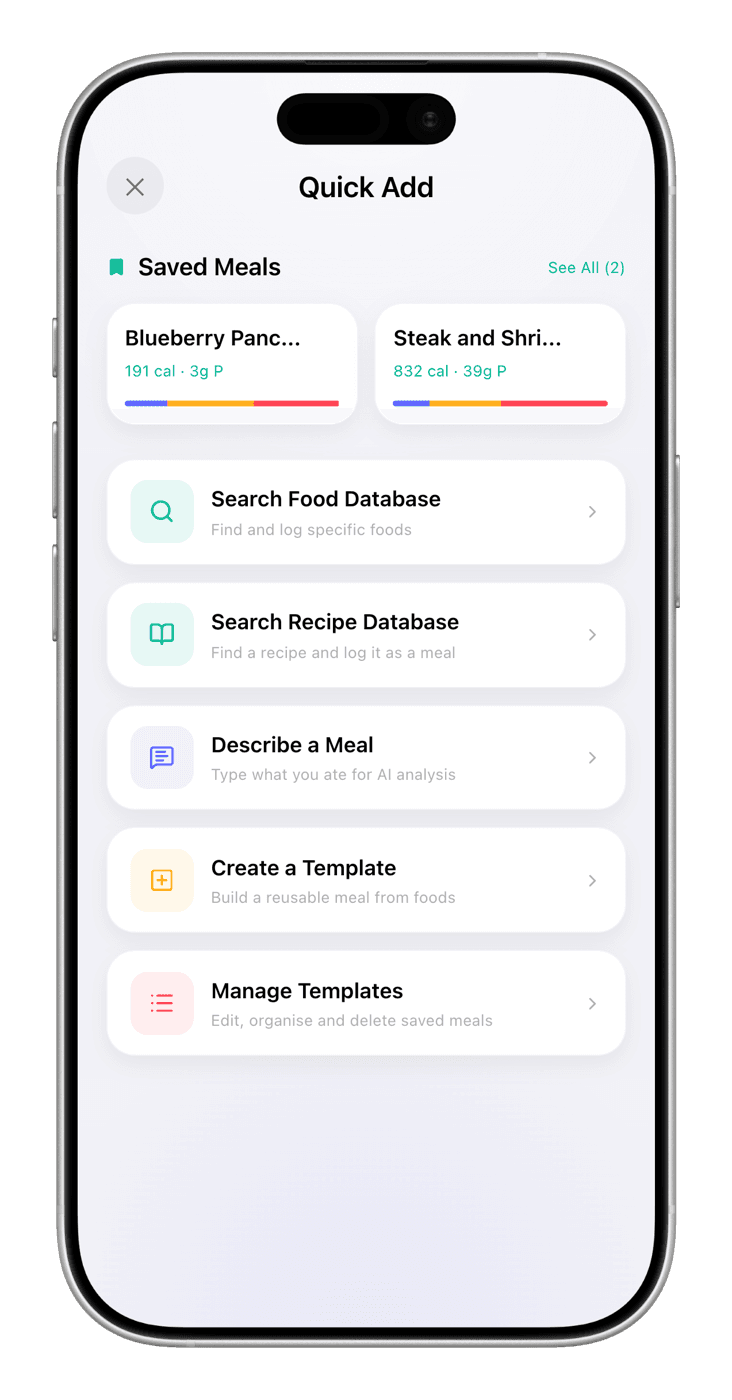
- How a tracker can help on the road
- Frequently asked questions
Quick Answer: To track macros while traveling, decide in advance whether you will track fully, lightly, or pause, pack solid protein snacks that clear security, build meals protein-first with hand portions, log restaurants as fair estimates (not blank days), and resume your normal routine at the next meal after any planned break. Travel does not ruin macro tracking; losing the habit for weeks after you get home does.
Airports, hotels, client dinners, and vacation menus all break the routine that makes tracking feel easy at home. Scales disappear, recipes are unknown, and every meal competes with a schedule you do not control. This guide is for people who already care about protein and macros—or want to start—and need a system that survives real trips without turning dinner into homework.
What does "tracking macros while traveling" actually mean?
Macro tracking means logging protein, carbohydrate, and fat against daily targets. If you are new to the idea, start with our beginner guide on how to track macros. On the road, the goal shifts from kitchen precision to useful awareness: enough information that one trip stays a trip, not the start of a quiet six-week drift.
There are three realistic approaches, and none is morally superior:
- Full tracking: estimate every meal and drink as closely as you can with menus, labels, and hand portions.
- Light tracking: lock in protein (and maybe a rough calorie range); let carbs and fat be approximate on restaurant nights.
- Planned pause: decide before you leave that you will not log for X days, then resume on a named date or the first meal home.
All three can work. What tends not to work is an unplanned pause that quietly lasts until "next Monday," then next month.
Travel also changes the inputs. You eat more restaurant food, more packaged snacks, and more alcohol or coffee drinks. Portions are larger than home servings, which is why public-health guidance on eating out emphasizes planning ahead, choosing grilled or steamed preparations, and managing sides and sauces. Tracking while traveling is mostly the skill of estimating those meals without a scale.
Why tracking on the road still matters
Small trip gains add up when they stick
People worry about one vacation meal. Research on festive and holiday periods is more interesting: average gains are often smaller than the popular "five pounds" story, but they tend not to fully reverse afterward. A prospective study in the New England Journal of Medicine found an average gain of about 0.37 kg over the mid-November to early-January window. A 2017 narrative review reported consistent adult holiday gains of roughly 0.4 to 0.9 kg across studies.
A business week of dinners or a beach trip is not identical to Christmas, but the pattern is similar: short periods of looser eating contribute more to yearly change when awareness disappears.
Self-monitoring helps without banning food
A randomized trial in The BMJ tested a brief Christmas intervention built around regular self-weighing, simple weight-management tips, and calorie-to-activity comparisons. The intervention group averaged a small loss (−0.13 kg) while the comparison group gained 0.37 kg. Food logging is a cousin of that kind of self-monitoring: it keeps you oriented without requiring a perfect day.
You do not need to weigh yourself twice a day in a hotel bathroom. You do need some feedback loop—protein check-ins, a quick log, or even a planned pause with a restart date—so travel does not silently rewrite your baseline.
Protein is the travel macro that pays rent
When schedules fracture, protein is usually the first target to slip. Sports nutrition guidance from the International Society of Sports Nutrition discusses higher daily protein intakes for many exercising adults (often framed around roughly 1.4–2.0 g per kg of body weight in that position stand). You do not need to hit a lab-perfect number in Terminal B. You do need a protein-first habit so airport pastries and late room service do not leave you underfed on the one macro that protects satiety and training. For target context at home, see how much protein per day.
What travelers actually need (tools that fit a carry-on)
You do not need a food scale in your personal item. You need a few portable systems.
Hand portions when you cannot weigh
The CDC's diabetes meal planning page teaches a "handy" portion guide that travels anywhere: palm (no fingers) for about 3 ounces of meat, fish, or poultry; fist for about 1 cup; cupped hand for nuts or similar; thumb for about an ounce of cheese; thumb tip for a tablespoon; fingertip for a teaspoon. University Extension materials, such as UGA's portion-control guide, teach the same idea for days when measuring tools are unavailable.
These are estimates, not lab assays. They are still far better than guessing from memory at midnight.
| Hand cue | Approximate amount | Travel use |
|---|---|---|
| Palm (no fingers) | ~3 oz cooked protein | Chicken, fish, steak, tofu at restaurants |
| Fist | ~1 cup | Rice, pasta, potatoes, fruit, veggies |
| Cupped hand | ~1/2 cup or 1–2 oz snacks | Nuts, pretzels, cooked grains |
| Thumb (tip to base) | ~1 oz cheese | Cheese sticks, shredded toppings |
| Thumb tip (to first joint) | ~1 tablespoon | Dressing, oil, nut butter, butter |
The same CDC page also teaches the plate method: half nonstarchy vegetables, one quarter lean protein, one quarter carbohydrate foods, on a roughly 9-inch plate. On a hotel buffet, that visual beats trying to weigh a scoop of scrambled eggs.
Posted calories and databases when they exist
In the United States, the FDA menu labeling rule requires covered chain restaurants (generally 20 or more locations) to display calories for standard menu items and provide additional nutrition information on request. Use those numbers when you have them. For generic foods and ingredients, USDA FoodData Central remains the public reference many trackers draw from.
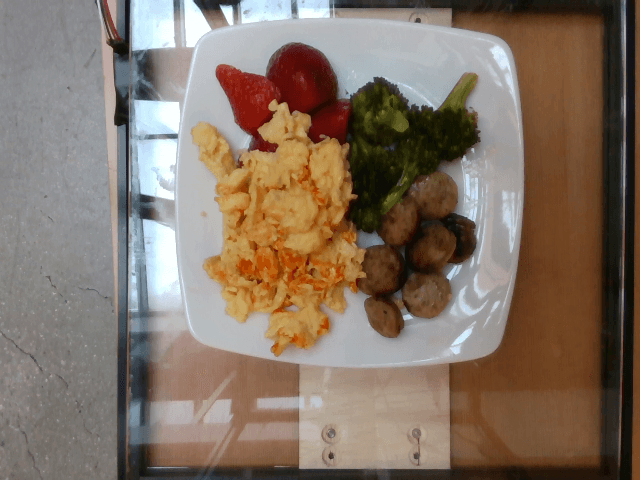
Independent restaurants, street food, and overseas menus will not hand you a PDF. That is when hand portions and "closest generic dish" logging take over. Our deeper walkthrough on logging restaurant meals with photo logging covers chain data, hand checks, and plate photos in more detail.
Packable protein that clears security
TSA's food guidance is clear on the big picture: solid foods can generally go in carry-on or checked bags, while many liquids and gels over 3.4 oz (100 ml) belong in checked luggage under the liquids rule. Officers may ask you to separate food for X-ray screening. Practical solid options for macro trackers include protein bars, jerky, tuna or chicken pouches (check packaging type), nut packs, and powdered protein in a dry bag—with a shaker bottle empty through security if you prefer.
CDC travel tips for people managing diabetes also stress planning snacks and choosing protein-forward airport options such as fruit, nuts, or a sandwich with grilled chicken or fish; the same packing logic helps anyone tracking macros on the road without living on cinnamon rolls. See CDC tips for traveling with diabetes for the snack-and-airport framing.
A hotel that lets you grocery shop once
When you can influence the booking, a mini-fridge (and microwave, if available) changes the whole trip. After check-in, a short grocery run for Greek yogurt, eggs if you can cook, deli meat, fruit, cottage cheese, oatmeal cups, and ready protein gives you breakfast and snack control even when dinners are social. This is the travel version of meal templates: repeat the same simple breakfast so restaurant dinners have room to move.
Step-by-step: how to track macros while traveling
1. Pick your mode before you leave
Write down full, light, or planned pause—and the date you resume normal logging if you pause. A decision made at home is easier to keep than one made after the third airport beer. The same three-mode idea works for a single hard holiday meal; travel just stretches it across days.
2. Front-load protein into the itinerary, not just the app
Scan the schedule for protein black holes: early flights, back-to-back meetings, wedding days, long transfers. Pack at least one solid protein snack per black hole. If dinner will be unpredictable, make breakfast boring and high-protein on purpose.
3. Build a two-meal "default day"
Choose a travel breakfast and a travel snack you can repeat without thinking—yogurt and fruit, eggs and fruit from the hotel market, a bar plus an apple. Log them once accurately (label or database), then reuse. Reusable meal templates exist for exactly this kind of repetition: one careful log, many quick days.
4. At restaurants, order protein first, then negotiate the rest
CDC eating-out guidance is blunt and useful: prefer baked, steamed, grilled, or broiled; ask for vegetables instead of fries; put sauces and dressings on the side; share or box half when portions are huge. For macros, translate that into a logging order: protein portion → starch portion → visible fats → drinks.
5. Log with the fastest honest method for that meal
- Chain item with posted calories: search the official entry.
- Unknown plate in front of you: hand portions, a quick photo, or a short voice description you can edit.
- Packaged snack: label or barcode when available.
- Shared appetizer: log your share, not the table's order.
Voice logging shines when your hands are full in a rideshare or you are walking between gates; see our voice calorie tracker guide for phrasing tips. Photo logging helps when the plate is complex. If you use ProteinLog, either method can capture the meal before the plate is cleared—still treat the result as a draft to adjust. Neither replaces a label on a sealed bar.
6. Budget for the "hidden" travel calories
Airport coffee drinks, mini-bar nuts, creamy sauces, cooking oils you cannot see, and alcohol are the usual under-logs. If a dish tastes rich or glossy, add a thumb of fat even when the photo looks lean. Log drinks by size and type, not by vibes.
7. Reset at the next normal meal—not with a punishment day
After a blown dinner or a planned pause day, the next breakfast is a normal breakfast at normal targets. Compensatory crash days create the same "I already blew it" spiral that holiday research warns about. Trend the week, not the tantrum.
What good travel tracking looks like
A successful travel week is not a screenshot of perfect macros from a hotel desk. Practical signals:
- You hit a reasonable protein average most days, even if carbs and fat swung with restaurants.
- Restaurant logs exist as estimates instead of mysterious blank evenings.
- You used at least one backup snack when plans failed.
- Alcohol and coffee drinks appear in the log when you had them.
- You resumed your home routine within a day of returning—not "after I unpack emotionally."
| Situation | Best default | Logging shortcut | Protein priority |
|---|---|---|---|
| Early flight | Packed solid snack + water after security | Barcode/label for packaged items | Bar, jerky, yogurt if available |
| Airport terminal meal | Grill/salad/bowl over pastry + sugary drink | Chain calories when posted | Double protein when bowls allow |
| Hotel breakfast buffet | Plate method: protein + fruit first | Hand portions; skip juice as "free" | Eggs, yogurt, cottage cheese |
| Client dinner | Protein entrée, sauce on side | Palm/fist/thumb estimate | Lean grilled option; box leftovers |
| Grocery + mini-fridge day | Repeat breakfast template | One-tap template / copy meal | Stock 2–3 high-protein staples |
| True vacation pause day | Enjoy the meal; no spreadsheet guilt | Optional photo for memory only | Still useful, not mandatory |
| First morning home | Normal targets, normal breakfast | Resume full tracking | Re-anchor the habit |
Mistakes to avoid
Treating travel as a tracking holiday by accident. A planned pause has an end date. An accidental pause has excuses.
Arriving at dinner ravenous because you "saved" all day. CDC eating-out advice includes having a small protein-and-fiber snack if the meal will be late. Extreme hunger makes portions and logging worse, not better.
Logging the healthy base food instead of the dish you ate. Creamy pasta is not "pasta, boiled." Butter chicken is not plain chicken breast. Choose the richer generic entry when the food tastes rich.
Ignoring liquids. Lattes, cocktails, and "just one more" pour add up faster on trips than at home.
Buying a hotel with zero food storage, then blaming willpower. Environment design beats grit. A fridge is a macro tool.
Demanding home-kitchen accuracy from street food. Useful estimates protect the habit. Fake precision that you do not believe will make you quit logging.
How a tracker can help on the road
If you want travel logging to take less friction, ProteinLog is one option among many: snap a restaurant plate, speak a meal when your hands are full, or save a hotel breakfast as a reusable template so the rest of the week stays fast ($1.99/week or $69.99/year, cancel anytime). Soft tools help only when the habits above are already clear—protein first, honest estimates, and a planned mode for the trip. No approach requires an app; a notes file and hand portions still beat a blank week.
Frequently asked questions
Should I track macros while traveling at all?
It depends on the trip and how tracking feels for you. Many people do best with light tracking: keep protein roughly on target, log restaurant meals as fair estimates, and skip obsessive weighing. If logging ruins the trip, a planned pause with a clear restart date is better than an unplanned slide that lasts for weeks.
How do I estimate macros at restaurants when I do not have a scale?
Use posted chain calories when they exist, then estimate with hand portions: palm for protein, fist for cooked carbs or veggies, thumb for fats and dressings. Add a little for cooking oil you cannot see. A rough, honest entry beats leaving the meal blank. For a fuller restaurant workflow, see log restaurant meals with photo logging.
What can I pack through airport security for high-protein snacks?
Solid foods such as protein bars, jerky, nuts in reasonable amounts, bread, and many packaged snacks are generally allowed in carry-on. Liquids, gels, and creamy items over 3.4 oz (100 ml) belong in checked bags under the usual liquids rule. Check TSA food guidance for the item you want to pack, and expect officers to ask you to separate food for screening.
Should I pause macro tracking on vacation?
A short, planned pause can be fine. The risk is an unplanned pause that becomes your new default. Holiday and festive research shows small average gains that often stick, and brief self-monitoring interventions have helped people limit that drift. Decide before you leave whether you will track fully, lightly, or pause—and when you will resume.
How do I hit protein goals in airports and hotels?
Build every meal around a clear protein first: eggs, Greek yogurt, grilled chicken, deli meat, tuna packs, cottage cheese, or a shake mixed with water. Request a mini-fridge when you book, hit a grocery store after check-in, and keep one backup snack in your bag so a delayed flight does not wipe out the day.
Do I need different macro targets when I travel?
Most people keep the same targets and accept a wider daily range. Training volume, walking, and sleep often change on the road, so weekly averages matter more than a single hotel buffet. If you are cutting hard for a deadline, talk with a coach or clinician before tightening travel targets further.
How accurate does travel logging need to be?
Useful, not perfect. Hand estimates and menu proxies will not match a weighed kitchen day. Aim for directional honesty—especially on protein and drinks—so the log still reflects the trip. Consistency across the week beats decimal-place precision at dinner. Composition references such as USDA FoodData Central help when you need a generic anchor.
Can a tracking app make travel logging easier?
Yes, when it lowers friction. ProteinLog, for example, lets you log a plate by photo or voice and save repeat travel meals as templates, so airport breakfasts and hotel staples stay quick. Treat any restaurant estimate as a starting point you can adjust.

Ready to Track Smarter, Not Harder?
AI photo logging, verified nutrition data, Apple Watch logging, and our free macro calculator use the same targets as goal setup.
Download on the App StoreiPhone & Apple Watch · No ads · Cancel anytime