On this page
Quick Answer: The best high-protein breakfast ideas pair one solid protein anchor (eggs, Greek yogurt, cottage cheese, tofu, fish, or lean meat) with fiber and some fat, and are simple enough to repeat on a busy weekday. Short studies suggest breakfasts around 30 grams of protein improve fullness, but total daily protein matters most, so pick a morning target that fits your plan.
Breakfast is often the lowest-protein meal of the day. Toast, cereal, a pastry, or coffee on the way out the door can leave you starting the day well behind your target, which then pushes a lot of protein into dinner. This guide gives you 20 realistic high-protein breakfast ideas, explains what the research does and does not show, and walks through a simple way to plan and check your morning protein.
Health note: This article is general education, not medical advice. If you have kidney disease, diabetes, are pregnant, take GLP-1 or other medications, or follow a prescribed diet, confirm your protein targets with your clinician or a registered dietitian.
What is a high-protein breakfast?
There is no official definition. In research, "high-protein breakfast" usually means a meal with noticeably more protein than a typical cereal-and-toast breakfast, often around 30 grams or more. A review of breakfast and weight-management research noted that breakfasts with larger amounts of protein (about 30 grams or more) and solid-food form produced stronger appetite and satiety responses than skipping breakfast.
For everyday purposes, a useful definition is simpler: a breakfast where protein is the anchor of the plate, not a garnish. If you remove the main protein food and the meal falls apart, it is probably protein-forward. If the protein is a splash of milk in coffee, it is not.
How much protein you need overall depends on body size, activity, age, and goals. Our guide to how much protein per day covers the common ranges, and the Harvard Nutrition Source on protein is a good plain-language overview of protein quality and food sources. The Dietary Guidelines for Americans also emphasize variety across protein foods, including seafood, eggs, dairy, legumes, nuts, and soy.
Why a protein-forward breakfast matters
1. It can make the morning easier on your appetite
Several randomized crossover studies have tested this directly. In a study in premenopausal women, sausage-and-egg breakfasts with 30 and 39 grams of protein improved appetite ratings compared with a low-protein pancake breakfast or no breakfast, and the 39-gram version was followed by a smaller lunch. A 2026 randomized weight-loss study on big breakfasts found a higher-protein breakfast pattern suppressed subjective appetite more than a higher-fiber pattern.
The honest caveat: these studies are small and short, and the effect on total daily calories is inconsistent. In the women's study above, both protein breakfasts still led to more total calories (breakfast plus lunch) than skipping breakfast. Fullness is a real benefit, but it is not automatic weight loss.
2. It makes your daily protein total reachable
If your target is, for example, well above 100 grams a day, getting there with a near-zero breakfast means very large lunches and dinners. Spreading some protein into the morning simply makes the math easier. That is a practical reason more than a physiological one, and for many people it is the most important one.
3. The "even distribution" question is less settled than it sounds
You will often read that you must spread protein evenly across meals to build or keep muscle. An early, widely cited study by Mamerow and colleagues reported higher 24-hour muscle protein synthesis with an even distribution. However, later randomized studies in older adults did not confirm a clear advantage. An 8-week study found no differences in lean mass, strength, or muscle protein synthesis between even and dinner-heavy patterns, a 2022 study found no difference in muscle protein synthesis, and an earlier study concluded that total protein quantity, not pattern, drove net protein balance.
The takeaway: do not stress about perfect symmetry. Get enough total protein, and use breakfast as one of the easiest places to add it.
What a good high-protein breakfast actually needs
A breakfast that you will actually repeat usually has four parts:
- A protein anchor. One food that supplies most of the protein: eggs or egg whites, Greek yogurt or skyr, cottage cheese, tofu or tempeh, smoked salmon or other fish, chicken or turkey, or lean breakfast meats.
- A fiber source. Fruit, vegetables, oats, whole-grain bread, beans, or seeds. Fiber helps the meal feel complete and supports overall diet quality.
- Some fat. Nuts, seeds, avocado, olive oil, or the fat already in eggs or dairy. A little fat helps with taste and staying power.
- Low friction. It takes under 10 minutes on a weekday, or it is prepped ahead. This is the part most "ideas" lists ignore.
The table below shows how common protein anchors compare on practical traits. It is deliberately qualitative. Protein grams vary a lot by brand, portion, and recipe, so check the Nutrition Facts label on packaged foods or look up the specific item in USDA FoodData Central rather than relying on generic numbers.
| Protein anchor | Prep time | Make-ahead friendly | Works without a kitchen | Plant-based |
|---|---|---|---|---|
| Eggs or egg whites | 5 to 10 min | Yes (egg bites, frittata) | Hard-boiled only | No |
| Greek yogurt or skyr | Under 2 min | Yes (parfaits, overnight oats) | Yes | No |
| Cottage cheese | Under 2 min | Yes | Yes | No |
| Tofu or tempeh | 10 min | Yes (batch scramble) | No | Yes |
| Smoked salmon or canned fish | Under 5 min | Partly | Yes | No |
| Leftover chicken or turkey | Under 5 min | Yes | Yes, if precooked | No |
| Beans or lentils | 5 min if canned | Yes | Yes, if precooked | Yes |
| Protein shake | Under 2 min | Yes | Yes | Depends on powder |
20 high-protein breakfast ideas
These are grouped by situation, because the best breakfast is the one that fits your morning. Protein amounts depend on your exact portions and brands, so treat these as templates, not fixed recipes.
Fast weekday breakfasts (under 10 minutes)
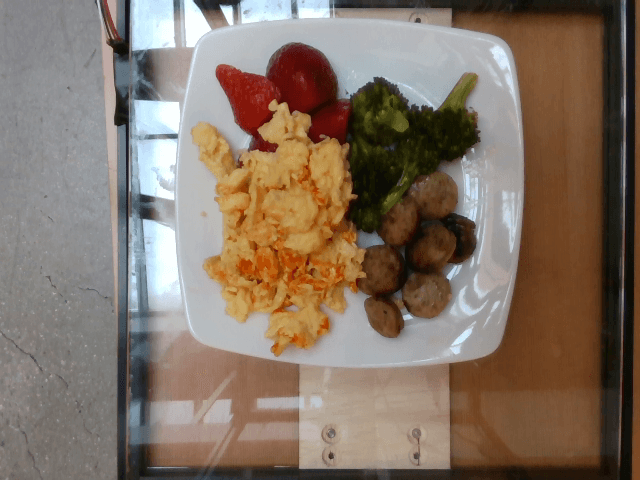
- Greek yogurt bowl. Greek yogurt or skyr topped with berries, a spoon of nut butter, and a sprinkle of hemp or chia seeds. Increase the yogurt portion if you need more protein.
- Eggs and greens scramble. Whole eggs plus extra egg whites, scrambled with spinach and peppers, served with a slice of whole-grain toast.
- Cottage cheese toast. Whole-grain toast topped with cottage cheese, sliced tomato, black pepper, and a drizzle of olive oil, or with fruit and cinnamon for a sweet version.
- Smoked salmon plate. Smoked salmon on rye or a whole-grain bagel half with cucumber, capers, and a little cream cheese or skyr.
- Protein oats. Oats cooked in milk or soy milk, with Greek yogurt stirred in after cooking, plus fruit.
- Leftover dinner breakfast. Last night's chicken, tofu, or fish with rice or potatoes and a fried egg. Not traditional, but very effective.
- Breakfast quesadilla. A whole-wheat tortilla with scrambled eggs, black beans, salsa, and a little cheese.
Make-ahead breakfasts (prep once, eat all week)
- Egg bites or muffin-tin frittatas. Eggs and egg whites with vegetables and a little cheese, baked in a muffin tin and refrigerated.
- Overnight oats with Greek yogurt. Oats, milk, Greek yogurt, and chia seeds, mixed the night before.
- Freezer breakfast burritos. Eggs, beans or lean meat, and vegetables rolled in tortillas, wrapped in foil, and frozen for reheating.
- Chia skyr pudding. Chia seeds soaked in milk, layered with skyr and fruit.
- Batch tofu scramble. Crumbled firm tofu with turmeric, onions, and vegetables, portioned into containers for the week.
- Savory breakfast bake. A sheet-pan bake of eggs, vegetables, and lean sausage or beans, cut into squares.
Plant-based high-protein breakfasts
- Tofu scramble wrap. Tofu scramble with black beans and avocado in a tortilla.
- Tempeh breakfast hash. Diced tempeh pan-fried with potatoes, onions, and greens.
- Soy yogurt parfait. A higher-protein soy or pea-based yogurt with nuts, seeds, and fruit. Check the label, since plant yogurts vary widely in protein.
- Chickpea flour omelet. A chickpea flour batter cooked like an omelet and filled with vegetables.
On-the-go and no-kitchen breakfasts
- Hard-boiled eggs and fruit. Prepped on Sunday, grabbed on the way out.
- Ready-to-drink protein shake plus fruit. Convenient when time is short. Check the label for protein and added sugar.
- Cottage cheese or yogurt cup with nuts. Single-serve cups from the store, with a small bag of nuts on the side.
If you are looking for lighter protein options to round out these meals, our list of high-protein, low-calorie foods covers many of the same anchors in more detail.
Step-by-step: build your own high-protein breakfast routine
- Set a daily protein target first. Breakfast only makes sense as part of the day. Use a macro calculator or work with a dietitian to set a daily goal, then decide what share you want in the morning.
- Pick a breakfast protein target. Many people choose roughly a quarter to a third of their daily protein. Some breakfast studies used around 30 grams, but your number should fit your total and appetite, not a study protocol.
- Choose two or three default breakfasts. Pick one fast option, one make-ahead option, and one on-the-go option from the list above. Rotating a few defaults beats inventing breakfast every day.
- Measure them once. For a few days, weigh or measure the portions and check labels or USDA FoodData Central. You only need to do this carefully at the start, because your defaults will repeat.
- Prep on one day. Spend 30 to 45 minutes on the weekend making egg bites, overnight oats, or a tofu scramble. This removes the morning decision.
- Log the breakfast consistently. Breakfast is the easiest meal to track because it repeats. Save each default once so that logging takes seconds. Our guide on how to track macros covers the basics.
- Review after two weeks. Check whether you are hitting your daily total and whether you feel full until lunch. Adjust portions, not the whole plan.
What good looks like
A realistic, healthy high-protein breakfast habit usually looks like this:
- You eat a protein anchor at breakfast most days, not just on weekends.
- You have two or three defaults that you can make half-awake.
- Your breakfast protein number is measured at least once, not guessed.
- You are not hungry an hour later, and you are not forcing food you do not enjoy.
- Your daily protein total is reachable without a huge dinner.
- Fiber, fruit, or vegetables appear alongside the protein most of the time.
Here is an example of how a day might be split. It is an illustration only, not a recommendation, and the right split for you depends on your target, schedule, and appetite.
| Meal | Example share of daily protein | Example breakfast or meal |
|---|---|---|
| Breakfast | About 25 to 30 percent | Greek yogurt bowl with berries and seeds |
| Lunch | About 30 percent | Chicken or tofu grain bowl |
| Snack | About 10 to 15 percent | Cottage cheese or a protein shake |
| Dinner | About 30 percent | Fish, beans, or lean meat with vegetables |
Mistakes to avoid
- Assuming "high-protein" packaging means a high-protein meal. Some bars, cereals, and granolas marketed as protein foods deliver less than you would expect per realistic serving. Read the label and compare it with your breakfast target.
- Counting the latte as breakfast protein. Milk in coffee adds some protein, but rarely enough to anchor a meal. Treat it as a bonus, not the plan.
- Going all-protein and no fiber. A plate of only eggs and bacon may be filling, but adding fruit, vegetables, or whole grains improves overall diet quality and often makes the meal more satisfying.
- Over-relying on processed breakfast meats. Sausage and bacon can fit occasionally, but leaning on eggs, dairy, fish, soy, and legumes gives you more variety. The Harvard Nutrition Source discusses why protein "package" matters.
- Guessing portions forever. A "scoop" of yogurt or a "handful" of cheese can vary a lot. Measure your defaults once so your daily totals are trustworthy.
How ProteinLog helps
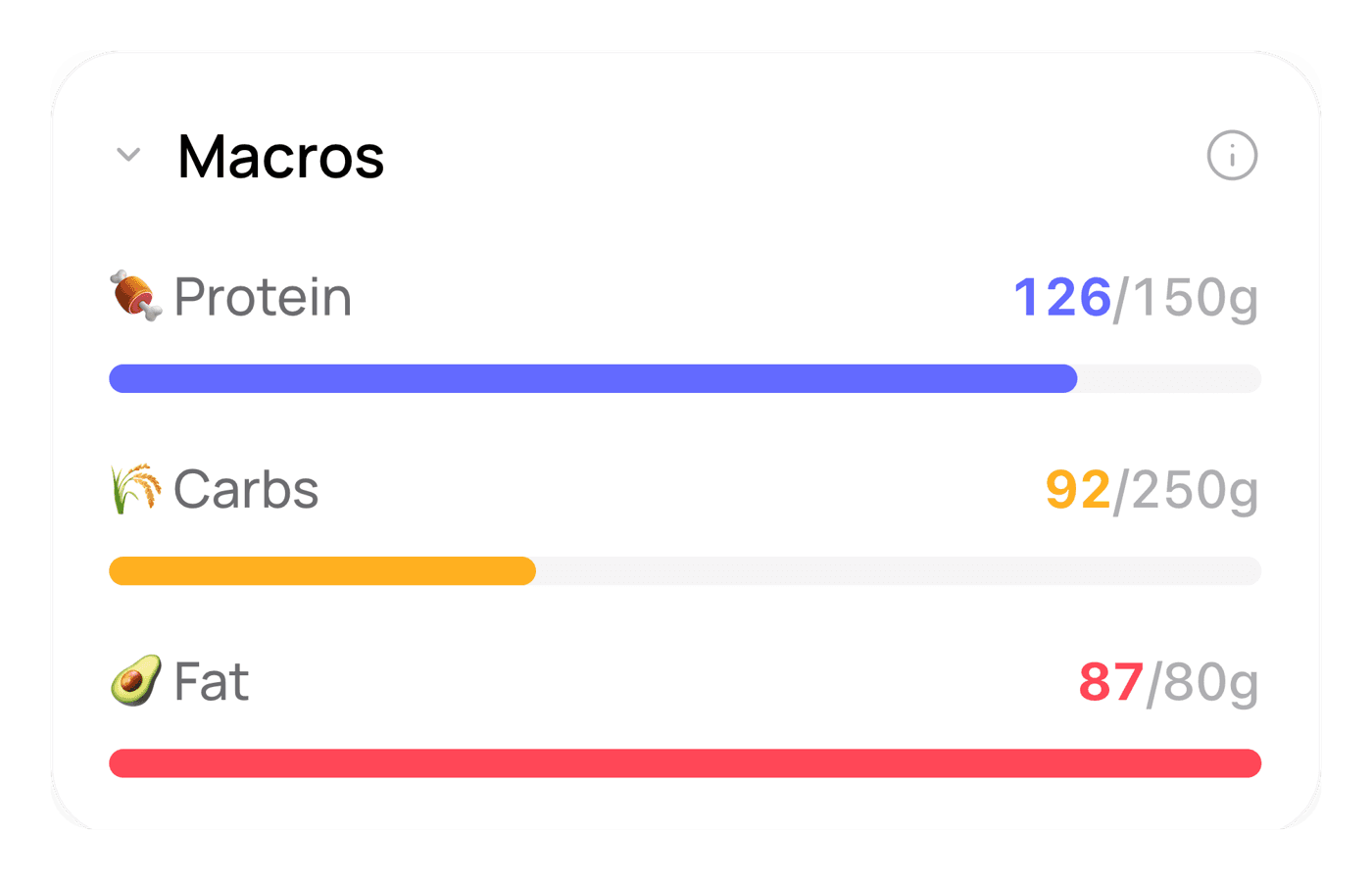
Breakfast tends to repeat, which makes it a good fit for saved meals. In ProteinLog you can save a go-to breakfast as a meal template and re-log it with a single tap, including from Apple Watch. For new breakfasts, you can log by photo, voice, or barcode and label scanning, and nutrition data can sync to Apple Health.
See how reusable meal templates fit a daily routine if you want to try that approach.
Frequently asked questions
What counts as a high-protein breakfast?
There is no official cutoff, but many breakfast studies compare meals of roughly 30 grams of protein or more against low-protein versions. In practice, a high-protein breakfast is one built around a clear protein anchor, such as eggs, Greek yogurt, cottage cheese, tofu, fish, or lean meat, rather than one where protein is an afterthought.
Do high-protein breakfast ideas help with weight loss?
Several short randomized studies found that higher-protein breakfasts increased fullness and reduced hunger before lunch. Effects on total daily calories were mixed, so a protein-rich breakfast is best seen as a tool for appetite control inside an overall plan, not a weight-loss method by itself.
Can I make a high-protein breakfast without protein powder?
Yes. Eggs, egg whites, Greek yogurt, skyr, cottage cheese, tofu, tempeh, smoked fish, leftover chicken, beans, and lean breakfast meats can all carry a high-protein breakfast. Powder is a convenience, not a requirement.
Is it better to eat protein at breakfast or spread it out?
Research in older adults found that, when total daily protein was adequate, shifting protein evenly across meals did not clearly change muscle protein synthesis or lean mass over several weeks. Total daily protein appears to matter most, but a protein-rich breakfast is often the easiest way to make that total reachable.
What are good make-ahead high-protein breakfast ideas?
Egg bites or muffin-tin frittatas, overnight oats made with Greek yogurt or milk, breakfast burritos frozen in foil, chia pudding layered with skyr, and batch-cooked tofu scrambles all reheat or grab well. Make-ahead options remove the morning decision, which is often the real barrier.
Are high-protein breakfasts safe for everyone?
Most healthy adults can eat a protein-forward breakfast, but people with kidney disease, those on GLP-1 or other medications, pregnant people, and anyone with a medical diet should check their targets with a clinician or registered dietitian first.
How do I know how much protein my breakfast actually has?
Read the Nutrition Facts label on packaged foods and look up whole foods in a reference database such as USDA FoodData Central, then weigh or measure portions for a few days. Protein grams vary a lot by brand, portion, and recipe, so measured numbers beat guesses.
Can an app help me repeat a high-protein breakfast?
Yes, if you eat similar breakfasts often. In ProteinLog you can save a breakfast as a meal template and re-log it later, or log it by photo, voice, or barcode and label scanning, so your morning protein shows up in your daily total without retyping it.

Ready to Track Smarter, Not Harder?
AI photo logging, verified nutrition data, Apple Watch logging, and our free macro calculator use the same targets as goal setup.
Download on the App StoreiPhone & Apple Watch · No ads · Cancel anytime