Quick Answer: A practical GLP-1 meal plan uses smaller, protein-first meals, steady fluids, gradually adjusted fiber, and easy backup foods for low-appetite days. Treat it as a flexible planning and observation system—not a prescription—and ask your prescriber or registered dietitian to set personal protein, calorie, fluid, and medication-related guidance.
People often search for a seven-day menu when the harder problem is day-to-day variability. A meal that feels comfortable one week may feel too large after a dose change; appetite can be different in the morning than at dinner; and nausea, constipation, reflux, food aversions, or fatigue can change what seems manageable.
That is why the most useful plan is not a rigid menu. It is a repeatable structure with a protein anchor, a small starting portion, a hydration cue, a backup option, and a record of what happened. This guide shows how to build that structure while keeping medical decisions with your care team.
Important: This article is general nutrition education, not medical advice. Do not change your medicine, dose, injection schedule, diabetes treatment, or prescribed diet based on this guide. Contact your clinician about persistent or severe symptoms, difficulty keeping fluids down, signs of dehydration, severe abdominal pain, or concerns about getting enough food.
What is a GLP-1 meal plan?
A GLP-1 meal plan is a food-and-fluid routine designed around the appetite and digestive changes that can occur while using a prescribed glucagon-like peptide-1–based medicine. It is not a special branded diet, and it should not replace the instructions that come from your prescriber, pharmacist, or dietitian.
Some GLP-1 medicines can reduce appetite and slow stomach emptying. The MedlinePlus semaglutide guide, for example, describes slowed stomach emptying, reduced appetite, and digestive side effects while directing patients to follow their clinician’s dietary and exercise recommendations. Different medicines and different people can have different experiences, so your plan needs room to adapt.
A useful plan answers five practical questions:
- What protein food can I start with?
- What portion seems realistic right now?
- What produce, grain, or other carbohydrate can I tolerate alongside it?
- When will I drink fluids if drinking with meals makes me too full?
- What easy backup will I use if the planned meal is unappealing?
This differs from a conventional weight-loss menu. The goal is not to force the lowest possible intake or chase a perfect macro split. The goal is to make adequate, varied eating easier to carry out and easier to discuss with the clinician overseeing your medication.
Why meal structure matters when appetite changes
The strongest reason to plan is not discipline; it is reduced decision load. When hunger cues are quiet or food sounds unappealing, “I will figure it out later” can turn into a long gap without food. A written shortlist of tolerable options gives you something concrete to choose.
A 2025 joint advisory from the American College of Lifestyle Medicine, American Society for Nutrition, Obesity Medicine Association, and The Obesity Society recommends attention to nutrient adequacy, gastrointestinal symptoms, muscle and bone health, physical activity, and individualized care during GLP-1 therapy. It notes that small, frequent meals may help when hunger and food interest are low, and that protein-rich foods can be eaten first when adequate protein is difficult.
Structure also creates better feedback. Instead of concluding that “everything makes me nauseated,” you may notice that larger evening meals, fried foods, fast eating, or drinking a large volume with a meal often precede discomfort. A log cannot prove cause and effect, but it can give you and your care team a clearer starting point for questions.
Finally, a meal plan makes it harder for protein to become an afterthought. For a fuller discussion of individualized targets, read how much protein you may need per day and the existing guide to tracking protein and macros on GLP-1 medications. Those articles cover the numbers; this one focuses on turning a clinician-approved target into meals you can actually repeat.
The five-part protein-first framework
Think of each eating occasion as a small assembly process. You do not need every component in equal amounts, and you do not need to finish everything on the plate. Start with the part your care team has identified as the priority, then build around your tolerance.
1. Choose a protein anchor
A protein anchor is simply the protein-containing food around which you build the meal. Examples include eggs, Greek yogurt, cottage cheese, fish, poultry, tofu, tempeh, beans, lentils, or a clinician-approved shake. The joint advisory emphasizes a range of plant and animal sources rather than a single “best” food.
“Protein first” describes order and planning, not permission to ignore every other nutrient. Produce, whole grains or other carbohydrate foods, and fats still contribute energy, fiber, vitamins, minerals, enjoyment, and cultural fit. The USDA MyPlate framework can provide a broad visual reminder of food-group variety, but your plate may be physically smaller and adapted to your medical needs.
2. Start with a smaller serving
A large plate can be intimidating when appetite is low, and eating past comfortable fullness may worsen symptoms for some people. Put down a smaller first portion, eat slowly, and pause. You can add more if you remain comfortable rather than treating an oversized serving as a test you must pass.
Cleveland Clinic’s digestive side-effect guidance for GLP-1 medicines recommends smaller meals, slower eating, hydration, and attention to foods that trigger symptoms. These are general strategies; if symptoms are frequent, severe, or escalating, your provider—not a menu—should guide the next step.
3. Add a tolerated plant food or carbohydrate
Depending on your needs and tolerance, add fruit, cooked vegetables, oats, rice, potatoes, whole-grain bread, beans, or another familiar carbohydrate. During a symptom flare, some people prefer softer, milder, or lower-fat choices. Once symptoms settle, variety can be rebuilt gradually with professional guidance.
Fiber requires judgment rather than a “more is always better” rule. NIDDK constipation guidance advises adding fiber a little at a time and pairing it with enough fluid. Cleveland Clinic also notes that rapidly increasing high-fiber foods during bloating or fullness can feel worse for some GLP-1 users.
4. Plan fluids separately when needed
Some people forget to drink when appetite falls, while others feel too full if they drink a lot with meals. A practical response is to place fluid cues between meals: after waking, midmorning, midafternoon, and early evening, for example. Sip rather than forcing a large volume at once if that is more comfortable.
There is no safe universal fluid target for every reader. Climate, activity, body size, kidney function, heart conditions, vomiting, diarrhea, and prescribed fluid restrictions all matter. Ask your clinician what “enough” means for you, especially if you have kidney, heart, or liver disease.
5. Keep one low-effort backup
A backup meal prevents an ambitious plan from becoming no meal at all. Choose one or two foods that are quick, familiar, and usually tolerable: yogurt and fruit, eggs and toast, tofu with rice, soup with added chicken or beans, cottage cheese and crackers, or a smoothie your care team approves.
The backup is not a moral downgrade from the planned dinner. It is part of the plan. When you find options that work, save the combination to a note or use reusable meal templates so the decision is easier next time.
A flexible seven-day GLP-1 meal-plan template
The table below is deliberately not a fixed calorie plan. Portions, substitutions, allergies, cultural preferences, diabetes management, kidney considerations, pregnancy, and eating-disorder history require individual guidance. Use the rows as prompts and swap in foods your care team has approved.
| Day | Protein-first meal idea | Add if tolerated | Low-effort backup |
|---|---|---|---|
| Monday | Greek yogurt or unsweetened soy yogurt with a protein-rich addition | Berries and oats | Yogurt plus a banana |
| Tuesday | Eggs or tofu scramble | Toast and cooked vegetables | Egg on toast |
| Wednesday | Chicken, fish, tofu, or beans in a small rice bowl | Cooked vegetables and sauce you tolerate | Soup with a protein addition |
| Thursday | Cottage cheese, tofu, or bean spread | Fruit and crackers | Cottage cheese or tofu with fruit |
| Friday | Fish, tempeh, or lean poultry | Potato and soft vegetables | Half a sandwich with a protein filling |
| Saturday | Lentil, bean, chicken, or tofu soup | Bread or rice | A smaller bowl of the same soup |
| Sunday | A familiar family meal, starting with its protein component | Small amounts of tolerated sides | A saved meal that has worked before |
The language is intentionally broad because brands, recipes, and serving sizes vary. Read labels where appropriate, especially for packaged meals or shakes, and record what you actually ate instead of what the recipe theoretically contained.
Use the week to test repeatability, not novelty. If Tuesday’s egg-and-toast breakfast worked well, repeating it on Thursday may be more useful than forcing seven unique breakfasts. Variety matters over time, but a short list of reliable meals can be valuable during initiation, dose escalation, travel, or a busy week.
Step-by-step: build your own GLP-1 meal plan
1. Confirm your personal guardrails
Ask your prescriber or registered dietitian whether you have a specific protein, calorie, carbohydrate, fluid, sodium, or fiber target. Also ask whether kidney disease, diabetes medicines, pregnancy plans, gastrointestinal conditions, prior bariatric surgery, or a history of disordered eating changes the advice.
If you need individual nutrition support, the Academy of Nutrition and Dietetics offers a directory for finding a nutrition expert. Bring your medication list and any clinician instructions so the plan is built around your whole health picture.
2. List five protein anchors you genuinely eat
Ignore aspirational foods that regularly spoil in your refrigerator. Write down five realistic choices across breakfast, lunch, dinner, and snacks. Include at least one shelf-stable, frozen, or otherwise convenient option for days when cooking is not realistic.
If you use a packaged protein food or shake, check its label and ask a professional if it fits your medical needs. More protein is not automatically better, and supplements are not required for everyone. The joint advisory describes multiple ways clinicians may set targets and explicitly notes uncertainty about the ideal calculation method.
3. Match portions to current tolerance
Plan a modest starting amount and permission to stop at comfortable fullness. Chew slowly, reduce distractions when possible, and notice whether eating pace changes how you feel. Do not force a planned portion solely to make the log look complete.
When a meal feels too large, note whether a smaller version later is manageable. If intake remains very low or you repeatedly cannot meet the plan your care team set, contact them rather than continuing to shrink the menu on your own.
4. Assign a fluid cue to each part of the day
Choose cues attached to routines you already have: after brushing your teeth, before leaving home, at the start of a work break, or when preparing dinner. If drinking with food limits intake, move more of the fluid between meals, unless your clinician has advised otherwise.
Vomiting and diarrhea can increase dehydration risk. MedlinePlus tells patients to contact their doctor about recent diarrhea, nausea, vomiting, or inability to drink liquids. Treat inability to keep fluids down as a medical issue, not a failed habit.
5. Build a symptom-day fallback ladder
Create three levels: normal meal, smaller meal, and simple backup. For example, dinner could move from fish with potato and vegetables, to half that portion, to a mild soup with an acceptable protein. Your actual ladder should use foods you tolerate and professional instructions you have received.
Do not use the ladder to “push through” severe symptoms. Persistent vomiting, severe abdominal pain, faintness, markedly reduced urination, or other worrying changes deserve prompt medical guidance. The FDA’s GLP-1 safety information also warns about unapproved products and dosing errors with compounded injectables; food planning cannot make an unsafe medication source or dosing practice safe.
6. Record the meal and the response
Log what you ate, the approximate portion, the time, and any relevant symptoms before and after. A photo is often enough to preserve context; a voice note can be easier when you do not want to type. In ProteinLog, photo logging, voice logging, and saved meal templates can reduce the friction of keeping this record.
Keep the observation neutral: “ate half; fullness 20 minutes later” is more useful than “failed dinner.” Add context such as dose-change week, unusually intense exercise, poor sleep, restaurant meal, or illness. The point is to make patterns reviewable, not to grade yourself.
7. Review weekly and change one variable at a time
At week’s end, highlight meals that were easy to tolerate, days when fluids were forgotten, and symptoms worth discussing. Keep two or three reliable meals, replace one recurring problem, and prepare the next week’s backups.
One-variable changes are easier to interpret than a total diet overhaul. You might test a smaller dinner portion, move fluids away from meals, slow eating pace, or replace a high-fat preparation. Medication and dose changes remain the prescriber’s job.
How to adjust the plan without guessing
Use observations as questions, not diagnoses. The following table can help you decide whether a routine adjustment is reasonable to discuss or whether the care team should be involved promptly.
| Situation | Planning response to try | What to record | When to contact your care team |
|---|---|---|---|
| Low appetite without severe symptoms | Schedule a small protein-first eating occasion and keep a backup ready | Time, food, portion, hunger, fullness | If low intake persists or you cannot meet the plan they set |
| Fullness or reflux after meals | Start smaller, eat slowly, and avoid lying down right after eating | Portion, pace, preparation method, timing | If symptoms are frequent, worsening, or severe |
| Constipation | Ask about fluids and increase fiber gradually if advised | Fluids, fiber changes, bowel pattern, discomfort | For persistent constipation, significant pain, or other concerning symptoms |
| Nausea | Use smaller, milder, lower-fat options that you tolerate | Timing relative to medicine, foods, fluids, vomiting | If vomiting persists, fluids will not stay down, or dehydration is possible |
| Repeated difficulty reaching protein guidance | Spread approved protein foods across smaller eating occasions | Food source, estimated amount, tolerance | Ask a dietitian or prescriber to reassess the target and strategy |
| Sudden or severe symptoms | Stop treating the problem as a meal-planning experiment | Symptoms, onset, medication details | Seek prompt medical guidance or urgent care as appropriate |
A log is especially useful during transitions: starting treatment, increasing a dose, traveling, returning to exercise, or changing work schedules. But it has limits. Temporal association—feeling unwell after a food—does not prove that the food caused the symptom.
What good looks like after two weeks
A good GLP-1 meal plan is not the prettiest menu or the lowest calorie total. It is a system you can carry out with less friction while meeting the individualized priorities your care team gave you.
Look for practical signals:
- You can name several protein anchors that usually work.
- You have at least two backups that require little preparation.
- Most days include intentional fluid cues.
- You know which meal sizes and eating speeds tend to feel comfortable.
- You can show your clinician a concise record rather than relying only on memory.
- You are not using the plan to make unsupervised medication or dose changes.
- The plan leaves room for culture, family meals, budget, enjoyment, and changing appetite.
Muscle health deserves a wider lens than protein alone. The joint advisory states that increased protein by itself is likely insufficient for preserving muscle without structured resistance exercise. A 2026 review of lean-mass and musculoskeletal preservation during GLP-1-based obesity treatment similarly emphasizes a combined approach involving nutrition, resistance exercise, management of digestive effects, and risk-based monitoring.
Activity should be individualized for ability, medical conditions, and current fitness. Public-health resources from the CDC and World Health Organization explain the broader benefits of physical activity, but a clinician or qualified exercise professional should help adapt a strength plan when there are injuries, frailty, balance concerns, or other limitations.
Common mistakes to avoid
Treating a sample menu as a prescription
Internet meal plans cannot account for your diagnoses, medicines, laboratory results, allergies, food access, or preferences. Use examples to generate options, then fit them to clinician-approved targets. Be particularly cautious with universal gram, calorie, and fluid claims.
Chasing protein while ignoring tolerance and variety
Protein matters, but an enormous portion that causes discomfort is not a sustainable solution. Smaller amounts across the day may be more manageable for some people. Include tolerated produce, grains or other carbohydrates, and fats based on your needs rather than turning the plan into a single-nutrient contest.
Increasing fiber too quickly
A sudden jump in fiber can add to bloating or fullness. Increase gradually when appropriate, pair it with the fluid guidance your clinician gives you, and adjust based on symptoms. Constipation that persists or causes significant pain belongs in a medical conversation.
Waiting for strong hunger before deciding what to eat
Reduced hunger can make improvisation unreliable. Preselect a first meal, a main meal, and a backup, then use time or routine cues if your care team agrees. Planning is not the same as forcing food when you are ill.
Changing medication because of a food log
A tracker can show patterns, but it cannot determine whether a dose should change or whether a symptom has a serious cause. Do not skip, split, increase, decrease, or otherwise alter a prescribed medicine based on an app or article. Contact the prescriber.
Turning imperfect data into a verdict
Photo estimates, restaurant portions, recipe databases, and package labels all have limitations. Use the record to support consistency and conversation, not false precision. A useful log can still contain estimates as long as you label them honestly.
How ProteinLog can support the routine
ProteinLog can make the recording part of a clinician-guided plan easier with photo logging, voice logging, and saved meal templates. Use it to remember meals, macros, and repeatable combinations—not to diagnose symptoms, set medication doses, or replace individualized care.
If you do not yet have a clinician-approved macro target, the ProteinLog macro calculator can be an educational starting point, but it is not tailored to GLP-1 treatment or medical conditions. Confirm any target before using it as a treatment goal.
Frequently asked questions
What should a GLP-1 meal plan include?
Start with smaller meals built around a protein food, then add produce, a tolerated carbohydrate, and other components that fit your needs. Plan fluids across the day and keep a simple backup for low-appetite periods. Your clinician or dietitian should personalize amounts and restrictions.
Should I eat protein first while using a GLP-1 medicine?
The multi-society joint advisory says protein-rich foods can be eaten first when appetite reduction or taste changes make adequate protein difficult. That does not make a protein-only diet appropriate. Aim for an overall varied pattern and use the target your care team recommends.
How many meals should I eat on a GLP-1?
There is no universal number. Smaller, more frequent meals may help some people with low appetite or digestive discomfort, while another schedule may fit you better. Medicine timing, diabetes management, work, sleep, and symptom patterns can all affect the answer.
What can I eat when nausea makes a full meal difficult?
Smaller portions and milder, lower-fat foods may be easier for some people, and large or greasy meals may worsen symptoms. Choose foods you tolerate and follow your clinician’s instructions. Persistent vomiting, severe symptoms, or inability to keep fluids down needs prompt medical advice.
Do I need to count every calorie on a GLP-1 meal plan?
Not everyone needs detailed calorie counting. A simple record of meal timing, protein anchor, approximate portion, fluids, fullness, and symptoms may be enough to identify practical questions. Use the level of detail that your care team requests and that you can sustain without distress.
Can a GLP-1 meal plan prevent muscle loss?
No plan can guarantee that outcome. Nutrition, resistance exercise, the pace of weight change, age, health conditions, and other factors may all matter. Ask whether your care team wants to monitor strength, function, intake, or body composition.
Can ProteinLog help with a GLP-1 meal plan?
ProteinLog can help you record meals using photo, voice, or saved templates and review macro patterns over time. It remains a tracking tool, not a medical service, so use the record to support conversations with your prescriber or registered dietitian.
Continue reading
Related guides
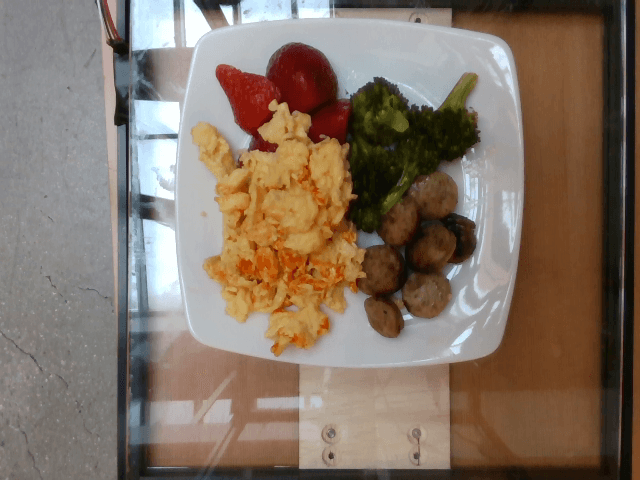
11 min read
Voice Calorie Tracker Guide 2026: Log Macros by Speaking
Use a voice calorie tracker to log meals faster—phrase tips, accuracy checks, method comparison, and Apple Watch workflows.
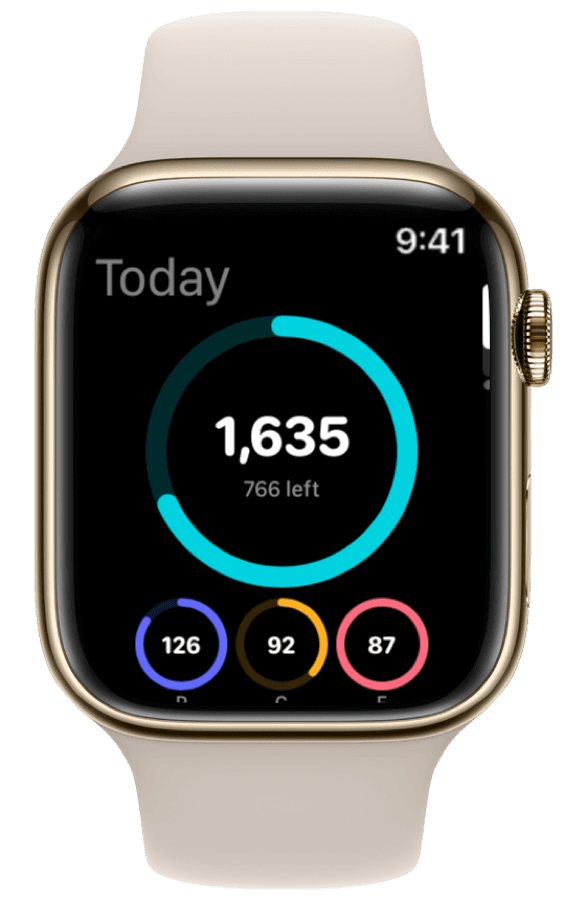
4 min read
How to Track Calories & Macros on Apple Watch in 2026 (The Complete Guide)
The complete Apple Watch calorie tracker guide for 2026. Compare apps, set up watch face widgets, voice logging, Action Button shortcuts, and Apple Health sync.
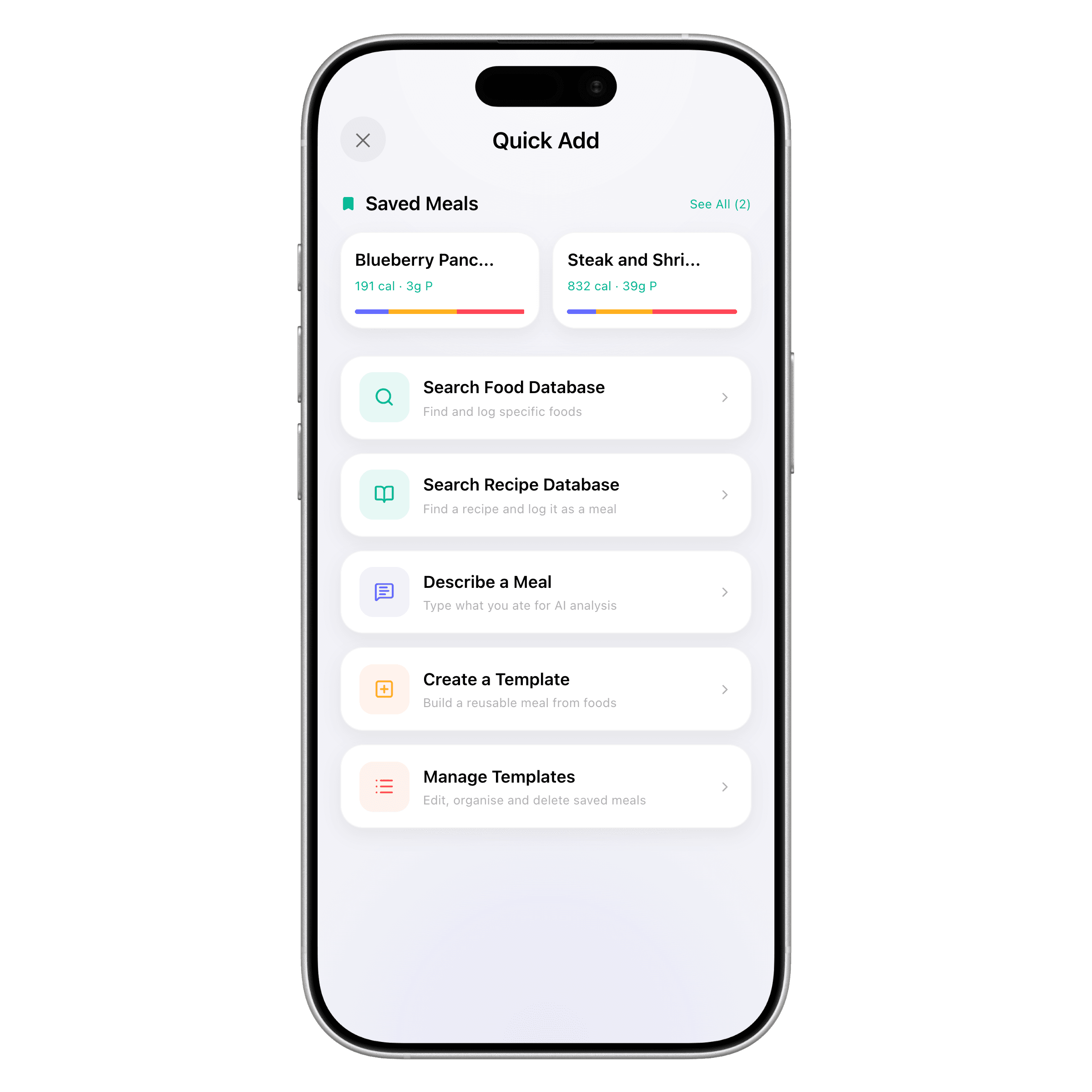
8 min read
How to Create Reusable Meal Templates for Daily Macro Tracking
Learn how to create reusable meal templates for daily tracking. Save repeat meals, one-tap log from iPhone or Apple Watch, and hit your macros faster.
Ready to Track Smarter, Not Harder?
Try ProteinLog free for 7 days. AI photo logging, verified nutrition data, Apple Watch logging, and our free macro calculator use the same targets as goal setup.
Download on the App Store