TL;DR
GLP-1 medications like semaglutide (Ozempic, Wegovy) and tirzepatide (Mounjaro, Zepbound) reduce appetite dramatically—which helps weight loss but makes it harder to reach protein targets on GLP-1 therapy. Clinical guidance recommends 1.2 to 1.6 g/kg of body weight daily plus resistance training to preserve muscle. This guide explains why protein beats calorie counting when you are not hungry, how to structure meals on low-appetite days, and how consistent tracking keeps you honest when your body's signals cannot be trusted.
What GLP-1 Medications Do to Appetite
GLP-1 receptor agonists work by mimicking a hormone your gut releases after eating. They slow gastric emptying, reduce hunger signals, and—in many patients—change taste preferences and food aversions. Clinical trials of semaglutide show average weight loss of 15% or more over 68 weeks, driven largely by reduced caloric intake rather than increased exercise.
That appetite suppression is the feature, not a bug. But it creates a nutrition problem most calorie-counting advice ignores: you may stop eating before you meet your protein needs.
When you could comfortably eat 2,200 calories yesterday but feel full at 1,200 today, the missing calories are not just energy—they are often the chicken, Greek yogurt, and eggs that supplied your protein. Research published in PMC on muscle loss during GLP-1 therapy notes that a meaningful portion of weight lost on these medications can be lean mass unless nutrition and exercise interventions are deliberate.
This is why the question is not "How few calories can I eat?" but "How do I reach protein targets on GLP-1 while eating less overall?"
Why Protein Matters More Than Calories on GLP-1
Traditional weight loss advice centres on a calorie deficit. GLP-1 users often get the deficit automatically. Adding aggressive calorie restriction on top of medication-driven appetite loss can accelerate muscle loss without improving fat loss outcomes.
Protein becomes the priority macronutrient for three reasons:
Muscle preservation. During any caloric deficit, your body breaks down tissue for energy. Adequate protein provides amino acids that signal muscle retention. Without it, you lose strength, metabolic rate, and functional capacity along with fat.
Satiety per calorie. Protein is the most satiating macronutrient per gram. On GLP-1, when you may only manage a few bites, those bites should be protein-dense. A 4-ounce serving of chicken delivers roughly 35g of protein in ~180 calories—far more efficient than bread or fruit for your limited appetite.
Thermic effect. Your body burns 20 to 30% of protein calories during digestion, compared to 5 to 10% for carbohydrates. That margin matters when total intake is low.
Calories still matter—you need enough energy to function and train—but protein is the metric that determines body composition quality. A 1,400-calorie day with 130g of protein produces a different outcome than a 1,400-calorie day with 60g of protein, even though the scale may show the same number.
For the science behind daily protein needs beyond GLP-1, see our guide on how much protein you need per day.
How Much Protein Do You Need on GLP-1?
Multiple expert sources converge on similar ranges:
| Source | Protein recommendation | Notes |
|---|---|---|
| PMC review on GLP-1 and muscle loss | 1.2–1.6 g/kg adjusted body weight/day | Combine with resistance training |
| AJMC GLP-1 therapies overview (2026) | 1.2–1.6 g/kg/day | S-LITE trial showed lean mass gains with exercise + medication |
| Obesity pillars nutrition consensus (2025) | ~1.5 g/kg/day | Cited in AJMC GLP-1 overview; food-first approach |
| General RDA (baseline) | 0.8 g/kg/day | Minimum to prevent deficiency—not optimal for weight loss |
Practical translation: For a 170-pound (77 kg) person, target 92 to 123 grams of protein daily, leaning toward the upper end if you resistance train.
Use our free macro calculator to set a personalised protein target based on your weight, activity level, and goals—then treat protein as a non-negotiable daily floor, not a ceiling.
The Reduced-Appetite Challenge
GLP-1 users face a unique tracking problem: hunger is no longer a reliable guide.
Before medication, skipping lunch meant you were busy or distracted. On GLP-1, skipping lunch may mean you genuinely felt nothing—no rumbling stomach, no crankiness, no urgency. That feels like success until you realise at 8pm you have eaten 45g of protein across two small meals.
Common appetite-related changes include:
- Early satiety after a few bites
- Aversion to previously enjoyed foods (especially fatty or sweet items)
- Nausea during dose escalation periods
- Forgetting to eat because hunger cues disappeared
- Preference for liquids over solid food
These are normal pharmacological effects, not willpower failures. But they mean you cannot rely on intuitive eating to hit 120g of protein. You need a system.
How to Structure Meals for Protein on Low-Appetite Days
When appetite is unpredictable, structure beats spontaneity. Here is a practical framework:
1. Protein-first plating
Build every eating opportunity around a protein anchor before adding anything else. Even if you stop eating halfway through the meal, you captured the most important macro.
Examples:
- Greek yogurt (17g protein per 6 oz) before fruit
- Eggs or egg whites before toast
- Protein shake as a standalone mini-meal, not a beverage alongside food
2. Target 20 to 40g per sitting
Research on muscle protein synthesis suggests 20 to 40g of high-quality protein per meal maximises the anabolic response. On GLP-1, aim for the lower end (20 to 30g) across more frequent, smaller sittings rather than forcing large meals.
| Food | Serving | Protein (g) | Calories (approx.) |
|---|---|---|---|
| Chicken breast (cooked) | 4 oz (113g) | 35g | 185 |
| Greek yogurt (non-fat) | 6 oz (170g) | 17g | 100 |
| Whey protein isolate | 1 scoop (30g) | 25g | 110 |
| Canned tuna (in water) | 1 can (165g) | 42g | 190 |
| Cottage cheese (low-fat) | 1 cup (226g) | 28g | 180 |
| Eggs | 2 large | 12g | 140 |
| Firm tofu | 4 oz (113g) | 14g | 115 |
See our high-protein, low-calorie foods guide for more options when every calorie counts.
3. Liquid protein when solids fail
During dose titration or nausea flares, shakes and soups often go down easier than chicken breast. A whey isolate shake with milk can deliver 35 to 40g of protein in a few sips. Bone broth plus a collagen supplement is less ideal than complete protein sources but better than skipping entirely.
4. Resistance training as non-negotiable
Nutrition alone cannot fully prevent muscle loss during rapid weight reduction. Expert guidelines emphasise resistance training two to three times per week as the primary stimulus for muscle retention. Protein provides the building blocks; training provides the signal to keep them.
Schedule workouts on the same days each week and log a post-workout protein serving within a few hours—another reason tracking helps.
5. Meal Templates for repeatability
When decision fatigue is high, eat the same protein-forward breakfast and lunch most days. ProteinLog's Meal Templates let you one-tap re-log proven meals. On GLP-1, reducing choices often increases adherence.
How to Track Macros When You Do Not Feel Like Eating
Tracking on GLP-1 is psychologically different from tracking during a self-imposed cut. You are not fighting cravings—you are often verifying you ate enough of the right things.
Prioritise protein on your dashboard
Configure your tracker to surface protein progress first. If you use ProteinLog, the watch complication and home screen emphasise protein remaining—exactly the metric that matters when calories take care of themselves.
Log immediately, adjust later
Low-appetite days make detailed logging feel burdensome. Use voice logging: "Protein shake and half a banana." Refine portions later if needed. An approximate log beats no log when you are evaluating weekly protein averages.
Track weekly averages, not daily perfection
One 60g protein day during a nausea flare will not ruin your progress if the six surrounding days average 115g. Review weekly totals every Sunday and adjust the following week's meal templates accordingly.
Watch for warning signs
Consult your prescriber if you experience:
- Dizziness, extreme fatigue, or hair loss (possible under-nutrition)
- Inability to keep fluids down during titration
- Protein consistently below 80g despite intentional effort
- Rapid weight loss exceeding 1 to 2 pounds per week after the initial phase
Tracking data gives you objective numbers to bring to medical appointments instead of guessing.
Protein vs Calories: What to Track and What to Ignore
| Metric | Priority on GLP-1 | Why |
|---|---|---|
| Protein (g) | High — daily target | Preserves muscle; primary success metric |
| Calories | Medium — monitor floor | Ensure you eat enough; avoid over-restricting |
| Carbs | Low to medium | Focus if diabetic; otherwise secondary |
| Fat | Low | Adequate for hormones; do not obsess |
| Micronutrients | Medium | Reduced food volume increases deficiency risk; consider multivitamin per clinician |
| Weight trend | Medium | Weekly average, not daily fluctuations |
| Body composition | High if available | DEXA or BIA helps detect muscle loss early |
The mindset shift: on GLP-1, a "good day" is a high-protein day, not necessarily a low-calorie day. If you hit 125g of protein in 1,500 calories, that is a win. If you hit 1,100 calories with 55g of protein, that is a concern—even though the scale might reward the lower number.
For broader macro fundamentals, see how to track macros.
A Sample Low-Appetite Day (130g Protein Target)
This example assumes a 170-pound adult targeting ~130g protein. Portions are intentionally modest.
Breakfast (8am) — 30g protein, ~250 cal
- 6 oz Greek yogurt with berries
- Or: 1 scoop whey in water if solids are unappealing
Midday (12pm) — 35g protein, ~300 cal
- 4 oz grilled chicken over mixed greens
- Light vinaigrette
Afternoon (3pm) — 25g protein, ~150 cal
- Protein shake (half scoop + milk) if lunch was small
Dinner (6:30pm) — 35g protein, ~350 cal
- 4 oz salmon, roasted vegetables
- Stop when satisfied—not stuffed
Total: ~125 to 130g protein, ~1,050 to 1,200 calories
This is below typical maintenance calories—and that is fine on GLP-1. The protein floor was met. If calories feel too low for energy or training, add a second snack rather than replacing protein with crackers.
How ProteinLog Helps GLP-1 Users Reach Protein Targets
When appetite cannot guide you, data must. ProteinLog is built for fast logging on low-motivation days:
- Voice logging — describe what you managed to eat without typing
- AI photo scan — snap a small plate; AI estimates protein even for partial meals
- Protein-first dashboard — see remaining protein at a glance on iPhone and Apple Watch
- Meal Templates — one-tap re-log your reliable protein meals
- MCP integration — ask your AI assistant "Am I on track for protein today?" with live data
Start by calculating your target in our macro calculator, set protein 10 to 15% above the minimum recommended range, and log every eating opportunity for two weeks. You will quickly learn your personal pattern—whether you consistently fall short at breakfast or skip afternoon protein entirely.
Download ProteinLog — 7-day free trial, no credit card required.
Frequently Asked Questions
Will eating more protein slow my GLP-1 weight loss?
Unlikely. Protein supports lean mass preservation and has the highest thermic effect of any macronutrient. Prioritising protein may change what you lose (more fat, less muscle) without stopping fat loss overall—especially combined with resistance training.
What if I can only stomach 60g of protein some days?
Occasional low days during dose titration are normal. Focus on weekly averages and communicate persistent inability to meet targets with your prescriber. Temporary meal replacement shakes can bridge gaps.
Should I increase protein if I lift weights three times per week?
Yes. Aim for the upper end of the 1.2 to 1.6 g/kg range—closer to 1.6 g/kg—if you resistance train regularly. Post-workout protein within a few hours of training supports recovery.
Do I need a dietitian on GLP-1?
Not mandatory, but research suggests dietitian involvement reduces medication discontinuation rates. Bring your tracker data to appointments for concrete conversations rather than vague recall.
Is calorie counting harmful on GLP-1?
Not harmful, but potentially misleading. Calorie obsession on an already-suppressed appetite can push intake dangerously low. Track protein as your primary goal and use calories as a sanity check that you are eating enough.
Can I use Ozempic or Wegovy for weight loss without tracking?
Many patients do, but without tracking you cannot know if low protein is contributing to muscle loss until it is visible in the mirror or on a DEXA scan. Tracking protein for the first 8 to 12 weeks of treatment establishes a baseline habit that protects long-term body composition.
Continue reading
Related guides
11 min read
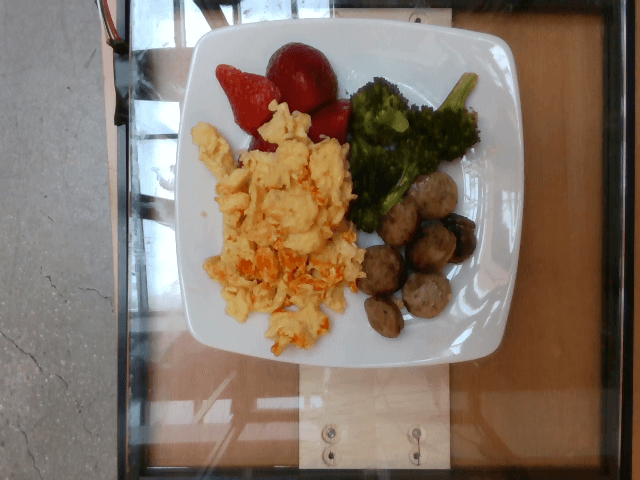
Voice Calorie Tracker Guide 2026: Log Macros by Speaking
Use a voice calorie tracker to log meals faster—phrase tips, accuracy checks, method comparison, and Apple Watch workflows.
4 min read
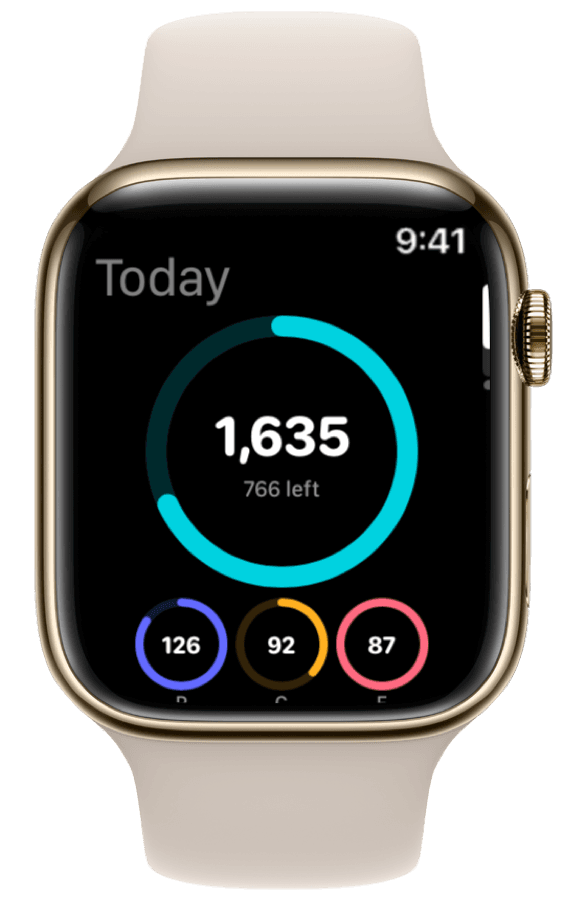
How to Track Calories & Macros on Apple Watch in 2026 (The Complete Guide)
The complete Apple Watch calorie tracker guide for 2026. Compare apps, set up watch face widgets, voice logging, Action Button shortcuts, and Apple Health sync.
8 min read
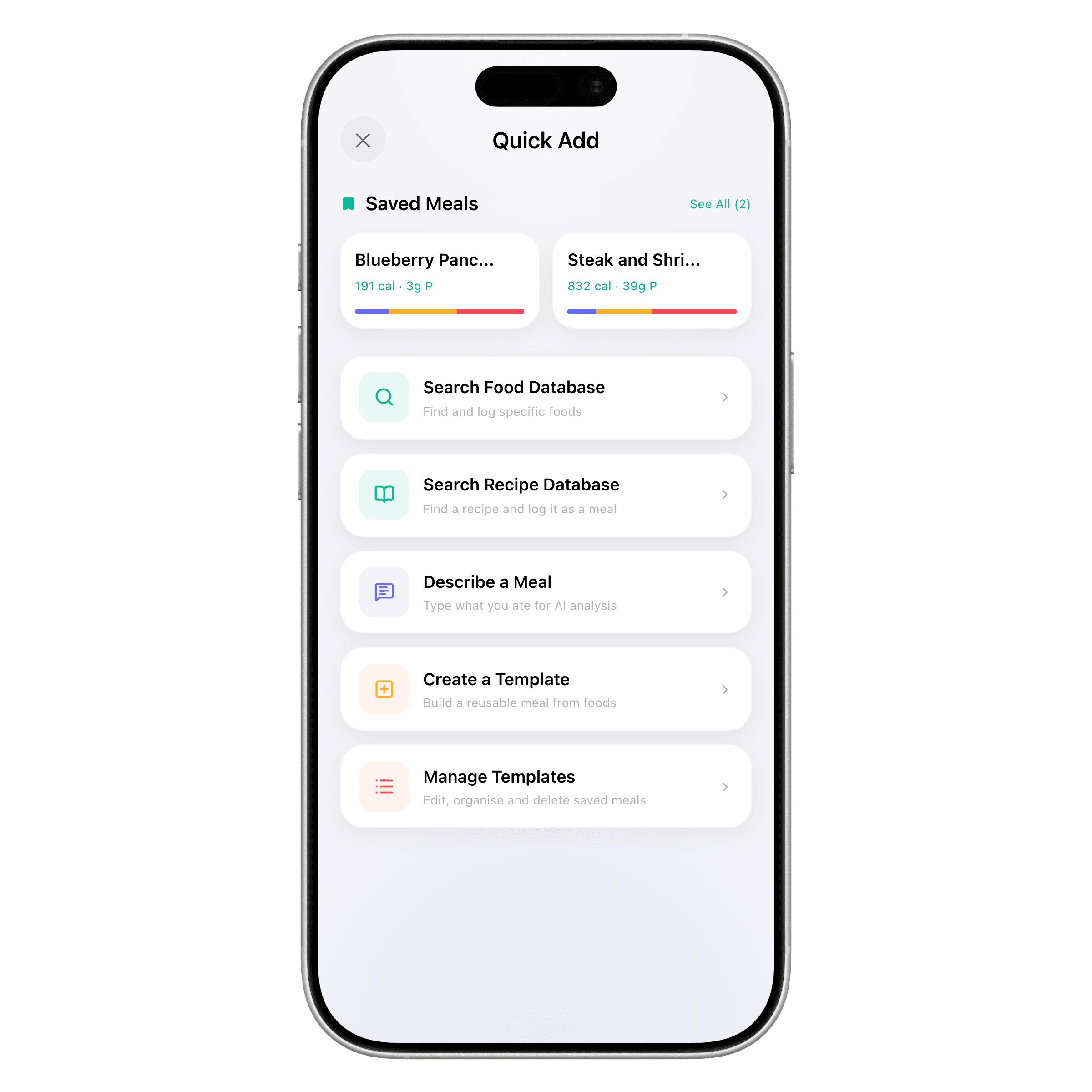
How to Create Reusable Meal Templates for Daily Macro Tracking
Learn how to create reusable meal templates for daily tracking. Save repeat meals, one-tap log from iPhone or Apple Watch, and hit your macros faster.
Ready to Track Smarter, Not Harder?
Try ProteinLog free for 7 days. AI photo logging, verified nutrition data, Apple Watch logging, and our free macro calculator use the same targets as goal setup.
Download on the App Store