Quick Answer: Track protein, carbs, and fat — prioritize protein for muscle and fullness, align fat with hormones, then use carbs for training fuel inside your calorie target.
If you are new to the world of fitness and nutrition, you have probably heard the phrase "If It Fits Your Macros" (IIFYM) or seen people meticulously logging their meals into a tracking app. But what exactly are macros, and more importantly, what macros should you track to reach your goals?
In this beginner's guide, we will break down the three primary macronutrients, explain why they matter, and show you the easiest way to start tracking them today.
What Are Macros?
"Macros" is short for macronutrients. These are the three main categories of nutrients that provide your body with energy (calories). Everything you eat is made up of a combination of these three macros:
- Protein (4 calories per gram)
- Carbohydrates (4 calories per gram)
- Fat (9 calories per gram)
While counting total calories is enough to lose weight, counting macros ensures you lose fat instead of muscle, keeps your energy levels stable, and helps you feel full throughout the day.
The Three Macros Explained
Here is a breakdown of what each macro does and why you should track it.
1. Protein: The Building Block
If you only track one macro, make it protein.
Protein is essential for building and repairing tissues, particularly muscle. When you are in a calorie deficit (eating less to lose weight), your body will break down muscle for energy if you do not consume enough protein. If that concept is new to you, read how a calorie deficit works before you set your targets.
- Why track it? High protein intake preserves muscle mass during weight loss, increases satiety (keeps you full), and has the highest thermic effect of food (your body burns more calories digesting protein than carbs or fat).
- Good sources: Chicken breast, lean beef, fish, eggs, Greek yogurt, tofu, and whey protein powder.
- General target: Aim for roughly 0.8 to 1 gram of protein per pound of your goal body weight.
2. Carbohydrates: The Energy Source
Carbohydrates are your body's preferred source of fast energy. They are broken down into glucose, which fuels your brain and your muscles during exercise.
Carbs have been unfairly demonized by fad diets. Unless you have a specific medical condition or are tracking macros on keto, you need carbohydrates to perform well in the gym and maintain high energy levels throughout the day.
- Why track it? Tracking carbs ensures you have enough energy for workouts without overeating, which can lead to fat storage.
- Good sources: Oats, brown rice, sweet potatoes, quinoa, fruit, and vegetables.
- General target: After calculating your protein and fat needs, the remainder of your daily calories should come from carbohydrates.
3. Fat: The Hormone Regulator
Dietary fat is crucial for hormone production (including testosterone), brain function, and the absorption of fat-soluble vitamins (A, D, E, and K).
Because fat contains 9 calories per gram (more than double the calories of protein or carbs), it is very easy to accidentally overeat if you are not tracking it. A single tablespoon of olive oil or peanut butter contains roughly 120 calories of pure fat.
- Why track it? Fat is essential for health, but it is the easiest macro to overconsume. Tracking it prevents accidental calorie surpluses.
- Good sources: Olive oil, avocados, nuts, seeds, fatty fish (like salmon), and whole eggs.
- General target: Aim for roughly 25% to 30% of your total daily calories to come from healthy fats.
How to Start Tracking Macros
Now that you know what macros to track, how do you actually do it?
The traditional method involves buying a food scale, weighing every ingredient, searching a database, and doing the math manually. This is exhausting and is the number one reason people quit tracking after a week.
In 2026, the best way to track macros is to use an AI-powered app that does the heavy lifting for you.
ProteinLog: The Easiest Macro Tracking App for Beginners
If you are a beginner asking, "what macros should I track?", the last thing you want is a complicated app with a steep learning curve.
ProteinLog was designed specifically to remove the friction of manual data entry. Instead of searching for "chicken breast" and "brown rice," you simply point your camera at your plate.
The app's AI identifies the food, estimates the portion sizes, and instantly calculates the protein, carbs, and fat. You can also log meals using your voice ("I had three eggs and toast") or scan barcodes for packaged foods.
Why ProteinLog is Perfect for Beginners:
- Instant Logging: Snap a photo and log your meal in 5 seconds.
- No Math Required: The AI calculates the macro breakdown automatically.
- Eat Well Score: Moves beyond just numbers to rate the overall nutritional quality of your day.
- Apple Watch Integration: Log meals directly from your wrist using the Action Button.
The Bottom Line
If you want to change your body composition, you need to track your macros. Focus primarily on hitting your protein target, keep your fats at a healthy minimum, and fill the rest of your calories with carbohydrates for energy.
Most importantly, choose a tracking method that you can stick with consistently.
Download ProteinLog today and start your free 7-day trial. Experience how simple macro tracking can be when you stop typing and start snapping.
Continue reading
Related guides
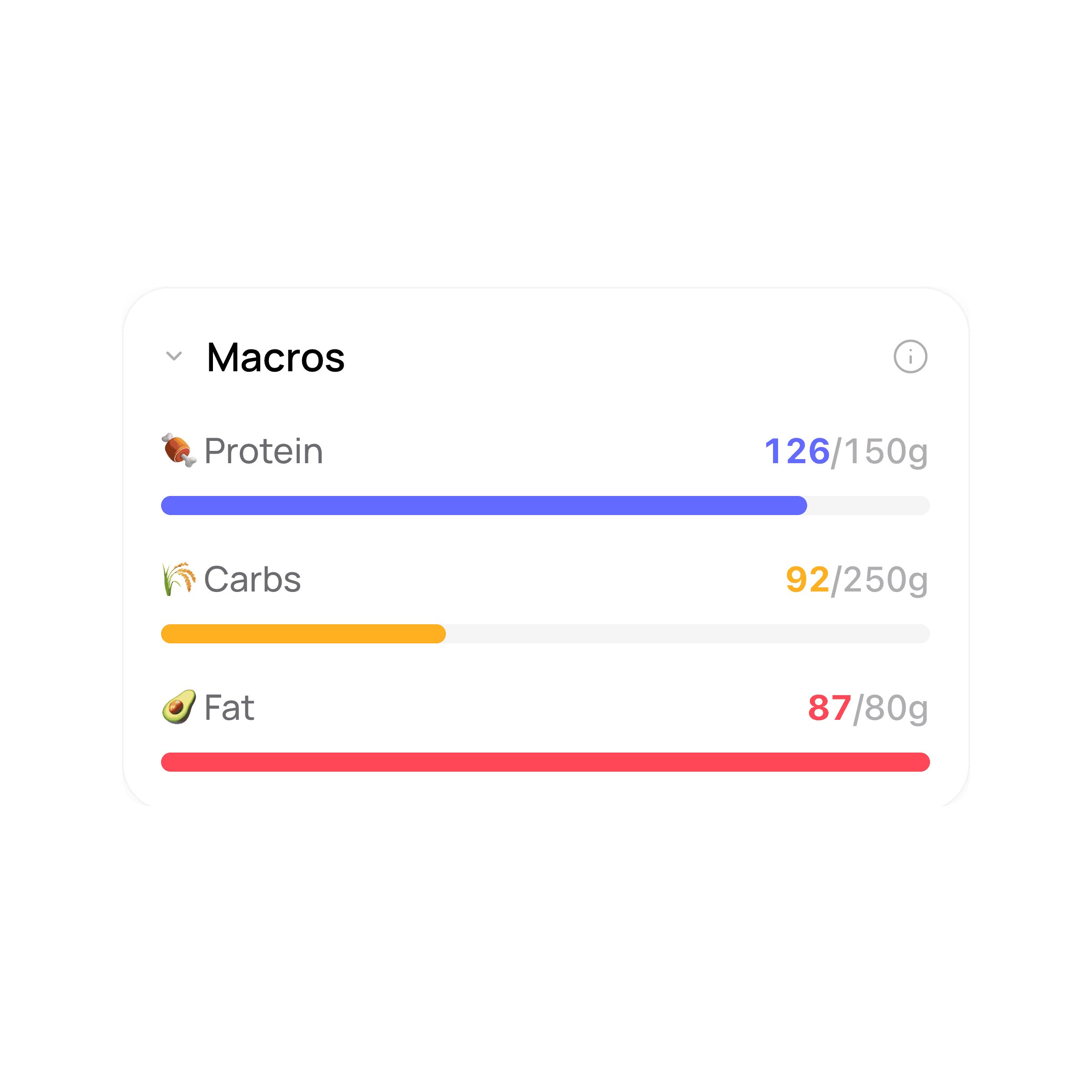
4 min read
How to Track Macros for Beginners (A Simple Step-by-Step Guide)
New to macro tracking? This simple guide explains what macros are, how to calculate them, and how to start tracking for weight loss or muscle gain.
4 min read
The Best Macro Tracker Apps for 2026 (Simple & Effective)
Tracking macros is key to changing your body composition. We review the best macro tracker apps to help you hit your protein, carb, and fat goals.
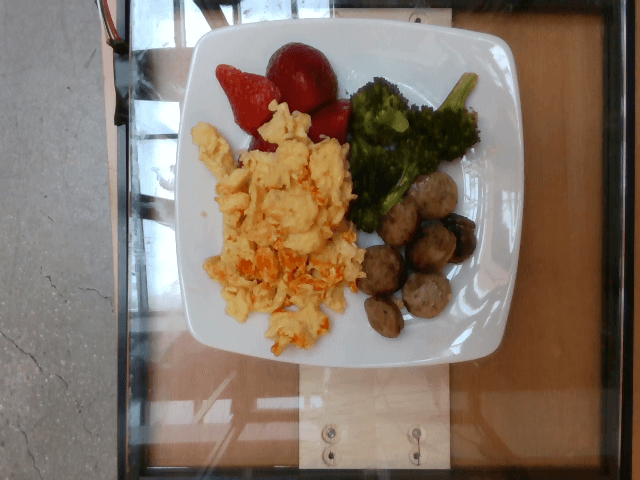
11 min read
Voice Calorie Tracker Guide 2026: Log Macros by Speaking
Use a voice calorie tracker to log meals faster—phrase tips, accuracy checks, method comparison, and Apple Watch workflows.
Ready to Track Smarter, Not Harder?
Try ProteinLog free for 7 days. AI photo logging, verified nutrition data, Apple Watch logging, and our free macro calculator use the same targets as goal setup.
Download on the App Store