On this page
The internet is flooded with weight loss advice. Keto, Paleo, intermittent fasting, carnivore, vegan - every diet claims to be the magic bullet for shedding fat.
But beneath all the marketing and conflicting advice, there is only one universal, scientifically proven rule for weight loss: You must be in a calorie deficit.
If you are in a deficit, you will lose weight, regardless of whether you eat salads or pizza. If you are in a surplus, you will gain weight, even if you only eat organic, grass-fed, "clean" foods.
Here is exactly what a calorie deficit is, how to calculate yours, and how to maintain it without feeling like you are starving.
What is a Calorie Deficit?
A calorie is simply a unit of energy. Your body burns a certain amount of energy every day just to keep you alive (pumping blood, breathing) and to power your daily movements (walking, exercising). This total amount of energy burned is called your Total Daily Energy Expenditure (TDEE).
- Calorie Maintenance: If you eat the exact same number of calories as your TDEE, your weight will stay exactly the same.
- Calorie Surplus: If you eat more calories than your TDEE, your body stores the extra energy as fat.
- Calorie Deficit: If you eat fewer calories than your TDEE, your body is forced to burn stored body fat for energy to make up the difference.
That's it. That is the entire secret to weight loss.
How to Calculate Your Calorie Deficit
To create a deficit, you first need to know your maintenance level (your TDEE).
You can use an online TDEE calculator (which uses formulas like the Mifflin-St Jeor equation based on your age, weight, height, and activity level).
Let's say your TDEE is 2,500 calories per day.
To lose weight sustainably, you should aim for a moderate deficit of 300 to 500 calories per day.
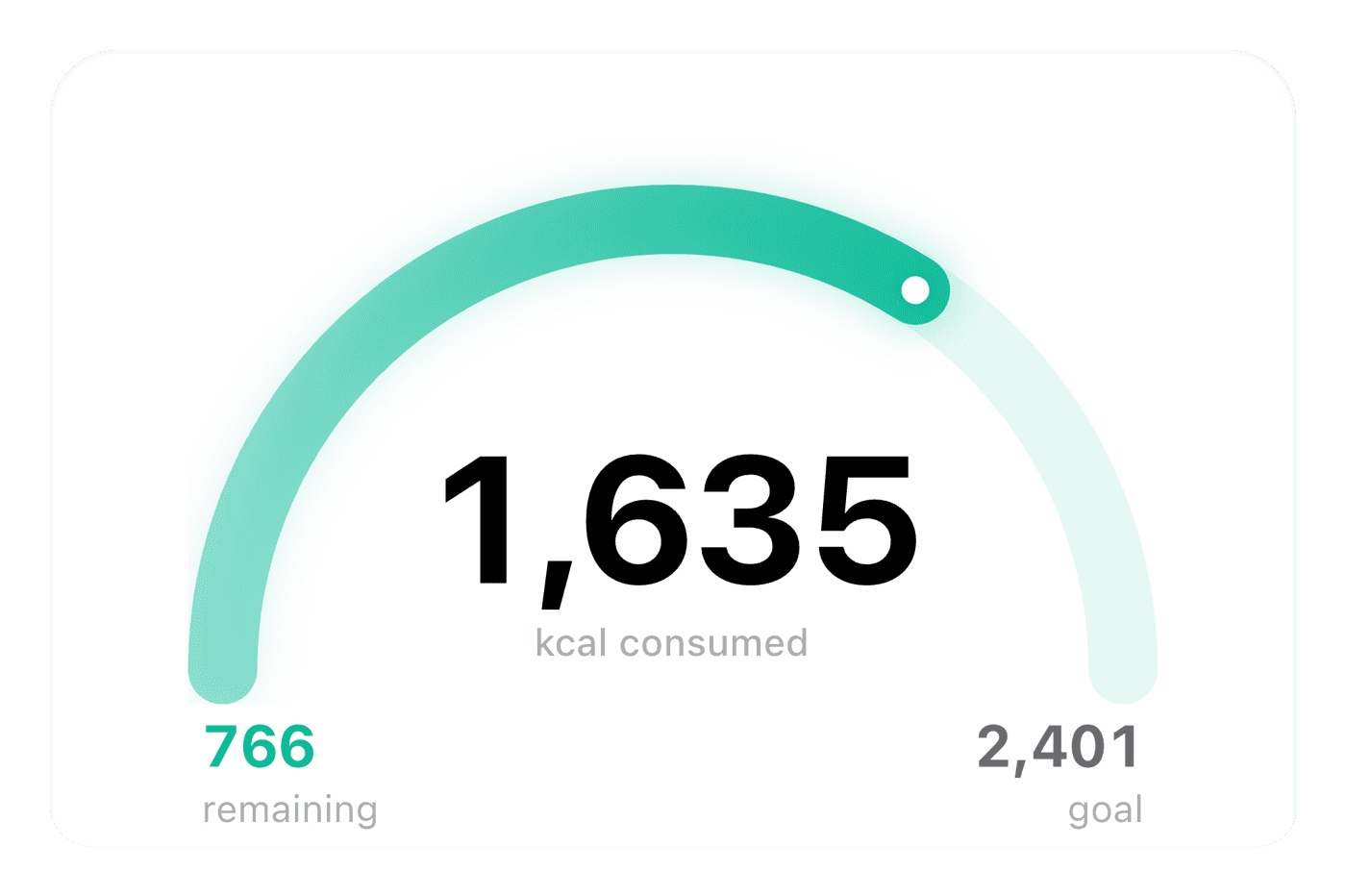
- 2,500 (Maintenance) - 500 (Deficit) = 2,000 calories per day.
A 500-calorie daily deficit adds up to 3,500 calories over a week, which roughly equates to losing 0.5kg (about 1 lb) of fat per week. This is the sweet spot. If you cut your calories too aggressively (e.g., a 1,000+ calorie deficit), you will lose muscle mass, your metabolism will slow down, and you will eventually binge eat because you are starving.
Calories vs. Food Quality: Why What You Eat Still Matters
If weight loss is just about calories, does that mean you can eat 2,000 calories of ice cream and still lose weight?
Technically, yes. Biologically, it is a terrible idea.
While a calorie deficit dictates how much weight you lose, the quality of your food dictates how you feel while losing it, and what kind of weight you lose (fat vs. muscle).
1,500 calories of processed junk food will leave you hungry, lethargic, and miserable. 1,500 calories of lean protein, vegetables, and whole grains will keep you full, energized, and preserve your muscle mass.
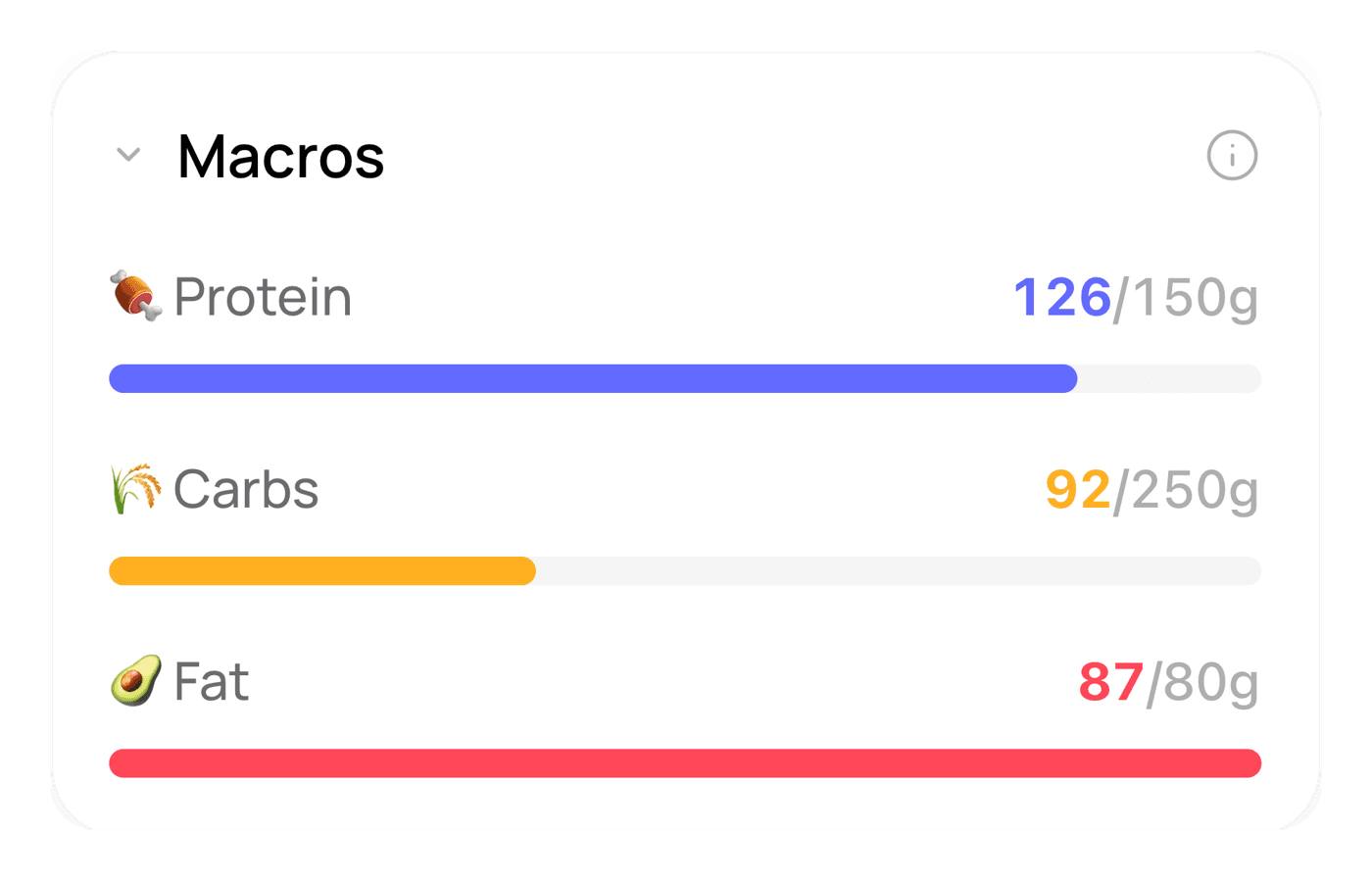
This is why tracking your macros (protein, carbs, and fats) and your overall food quality is just as important as tracking your calories. Once you know your deficit target, the next step is to calculate your macros for weight loss.
The Tracking Problem: Why Most People Fail
The concept of a calorie deficit is simple, but executing it is hard. Why? Because human beings are terrible at estimating portion sizes.
Research consistently shows that people underestimate the number of calories they eat by 20% to 40%. You might think you are eating 2,000 calories, but that "splash" of olive oil and "handful" of nuts actually pushed you to 2,600 calories.
The only way to guarantee you are in a deficit is to track your food accurately. But traditional calorie counting apps are exhausting. Scanning barcodes, weighing every gram of rice, and searching databases is a chore that most people quit after a week.
The Solution: Effortless Tracking with ProteinLog
To stay in a calorie deficit, you need a tracking method that fits seamlessly into your life. That is why we built ProteinLog.
ProteinLog uses advanced AI to make calorie tracking as simple as taking a photo.
- AI Photo Logging: Snap a picture of your meal. The AI instantly identifies the food, estimates the portion size, and calculates the calories and macros.
- Voice Logging: Too busy to take a photo? Just say, "I had a chicken salad with avocado," and the app logs it instantly.
- The Eat Well Score: ProteinLog doesn't just track your deficit; it tracks your food quality. The Eat Well Score ensures you are getting enough vegetables, fruits, and fiber, so you never feel starved during your diet.
A calorie deficit is the key to weight loss, but consistency is the key to maintaining a deficit. Stop using clunky, outdated apps that make dieting harder than it needs to be.
Start your sustainable weight loss journey today. Download ProteinLog on the App Store.

Ready to Track Smarter, Not Harder?
AI photo logging, verified nutrition data, Apple Watch logging, and our free macro calculator use the same targets as goal setup.
Download on the App StoreiPhone & Apple Watch · No ads · Cancel anytime