On this page
Quick Answer: Hitting your protein goal is essential for muscle growth. We review the best protein tracker apps to help you monitor your intake and maximize your gains.
If you're trying to build muscle, you know that the work you do in the gym is only half the battle. The other half happens in the kitchen. To repair and build muscle tissue after a tough workout, your body needs an adequate supply of protein. For many people, especially those new to fitness, getting enough protein can be a challenge. This is where a protein tracker app can be an invaluable tool.
While most calorie counters also track protein, some apps are better suited for the task than others. A good protein tracker app should make it incredibly easy to see your protein intake at a glance and help you make high-protein food choices throughout the day. We've reviewed the top apps to find the best for helping you hit your protein goals and maximize your gains.
Why Is Tracking Protein So Important?
Protein is the single most important macronutrient for building muscle. When you lift weights, you create microscopic tears in your muscle fibers. Protein provides the amino acids your body needs to repair these tears and build the muscle back stronger and bigger. A general guideline for muscle growth is to consume around 0.7-1.0 grams of protein per pound of body weight.
For a 180-pound person, that's 126-180 grams of protein per day. That can be a lot of chicken breasts and protein shakes to keep track of! An app that helps you track your protein ensures you're consistently giving your body the fuel it needs to grow.
The Best Protein Tracker Apps for 2026
1. ProteinLog: The Best for Overall Protein Tracking
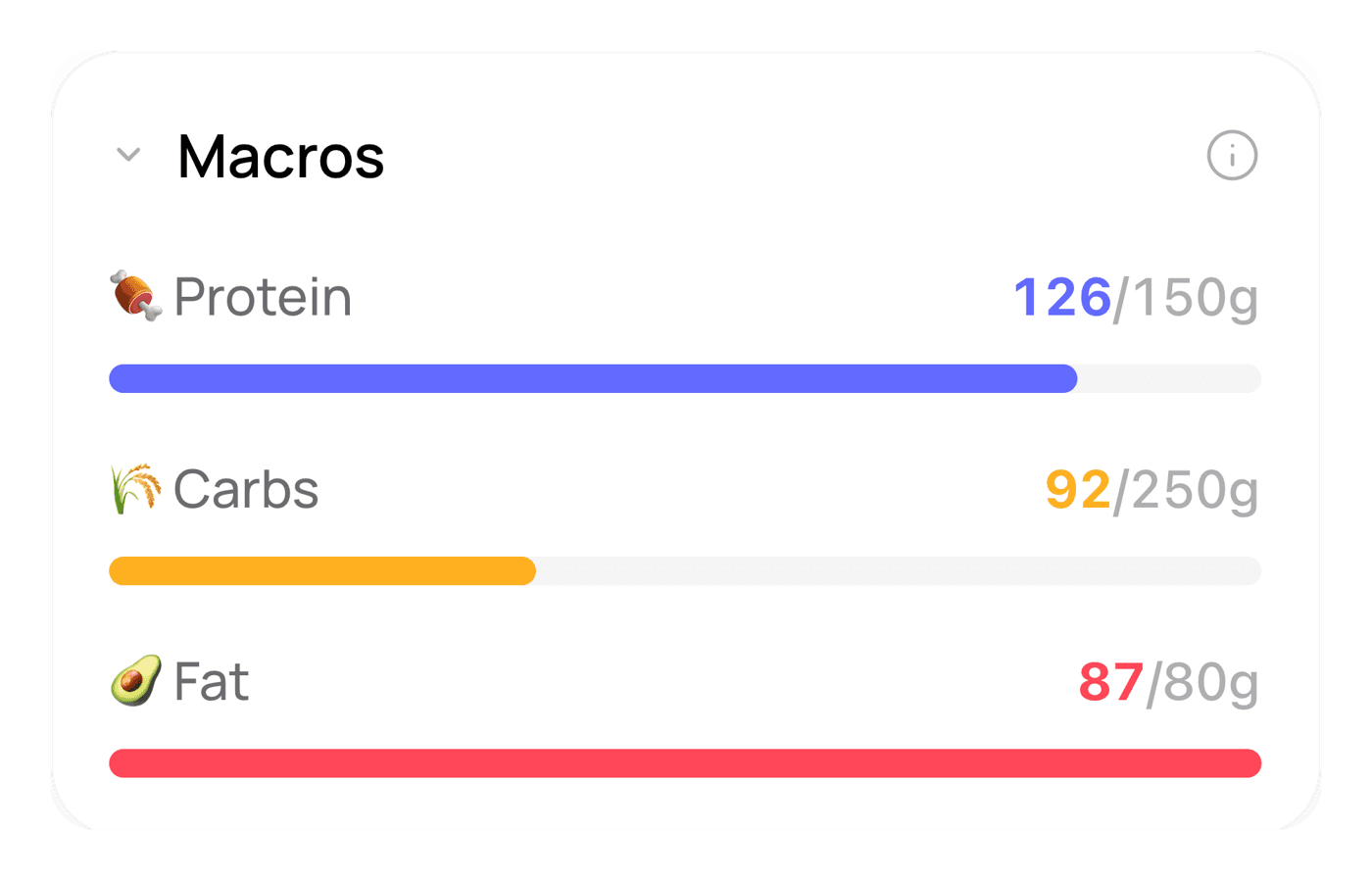
As the name suggests, ProteinLog is an excellent choice for tracking your protein intake. The app's main dashboard features a prominent display of your daily protein goal, so you always know where you stand. The AI photo logging is particularly useful for high-protein meals, as it can quickly identify and log multiple protein sources (like steak, eggs, and cheese) from a single picture.
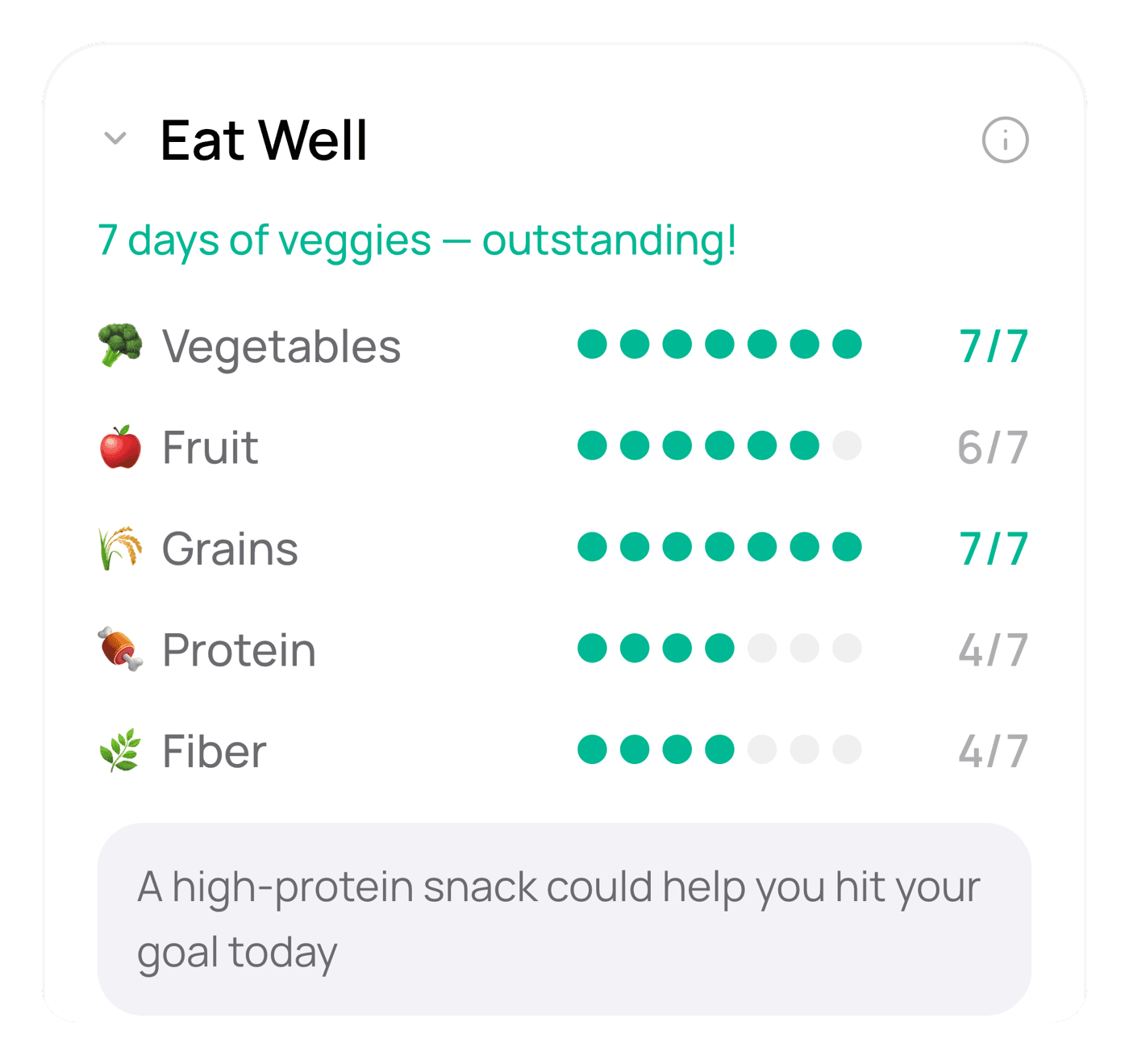
ProteinLog also includes a built-in protein calculator to help you set an appropriate goal. Its clean interface and focus on speed make it the most efficient way to ensure you're hitting your protein targets every day. The "Eat Well" score also encourages high-quality protein sources, guiding you toward better food choices.
2. MyFitnessPal: The Best for a Large Food Library
MyFitnessPal's massive food database is its biggest asset. You can find virtually any high-protein food or supplement you can think of, from obscure brands of protein powder to the exact cut of steak you're eating. The app allows you to set custom protein goals (in the premium version) and clearly displays your macro breakdown for the day. While it's not as streamlined as ProteinLog, its comprehensive database makes it a solid choice for tracking protein.
3. Cronometer: The Best for Amino Acid Profiles
For those who want to take their protein tracking to the next level, Cronometer is the answer. It not only tracks your total protein intake but also breaks it down into the individual essential and non-essential amino acids. This can be particularly useful for plant-based athletes who need to ensure they are getting a complete amino acid profile from their diet. The app's focus on high-quality, verified data means you can trust the numbers you're seeing.
How to Use a Protein Tracker App for Best Results
- Set a Clear Goal: Use the app's calculator or the guideline of 0.7-1.0 grams per pound of body weight to set a daily protein target.
- Spread Your Intake: Instead of trying to eat all your protein in one or two meals, aim to have a significant source of protein with each meal (20-40 grams).
- Plan Ahead: Use the app to plan your meals for the next day. This will help you ensure you have enough high-protein foods on hand.
- Find Your Go-To Sources: Use the app to identify high-protein foods that you enjoy and can easily incorporate into your diet. This could be anything from Greek yogurt and cottage cheese to lean meats and protein supplements.
Frequently Asked Questions
-
Is it okay to get all my protein from shakes? While protein shakes are a convenient way to supplement your intake, you should aim to get the majority of your protein from whole food sources, which also provide other essential nutrients.
-
What happens if I eat too much protein? For healthy individuals, a high-protein diet is generally safe. Your body will convert the excess protein into energy. However, it's always best to stick within the recommended range.
-
Can I build muscle on a vegan diet? Absolutely! There are many excellent plant-based sources of protein, such as lentils, beans, tofu, tempeh, and seitan. A protein tracker app can be especially helpful for vegans to ensure they are getting a complete amino acid profile.

Ready to Track Smarter, Not Harder?
AI photo logging, verified nutrition data, Apple Watch logging, and our free macro calculator use the same targets as goal setup.
Download on the App StoreiPhone & Apple Watch · No ads · Cancel anytime