On this page
The holy grail of diet tracking has always been a frictionless experience. For years, we have dreamed of an app where you simply point your camera at your plate, and it instantly logs your calories and macros.
In 2026, that technology is finally here. AI photo calorie counters are flooding the App Store, promising to make food logging as easy as taking a selfie.
But as with any new technology, the biggest question on everyone's mind is: Is it actually accurate? Can an algorithm really know how many calories are in my burrito bowl just by looking at it?
As the team behind ProteinLog, we have spent years developing and refining this exact technology. Here is an honest, transparent look at how AI food tracking works, where it excels, and where it still struggles.
How the Technology Actually Works
When you snap a photo of your meal using an app like ProteinLog, a complex, multi-step process happens in milliseconds:
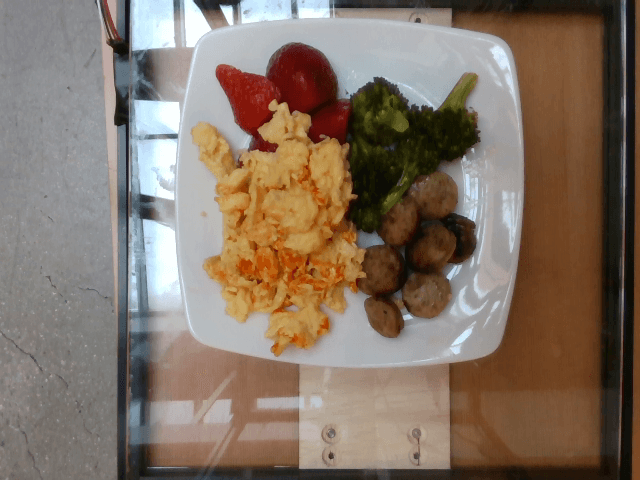
- Computer Vision (Object Detection): The AI scans the image and identifies the individual ingredients. It recognizes the difference between grilled chicken, steamed broccoli, and brown rice.
- Volume & Portion Estimation: Using depth perception and reference points (like the size of the plate or the phone's distance from the food), the AI estimates the volume and weight of each identified ingredient.
- Database Matching: The app cross-references those ingredients and estimated weights with a verified nutritional database (ProteinLog uses the USDA and FatSecret databases) to calculate the exact calories, protein, carbs, and fats.
Where AI Calorie Counters Excel
AI is incredibly accurate - often matching or beating human estimation - in several common scenarios:
- Whole Foods: The AI easily identifies single-ingredient foods like apples, bananas, steaks, eggs, and plain vegetables.
- Standard Portions: If you scan a standard-sized chicken breast or a regular bowl of oatmeal, the volume estimation is highly precise.
- Packaged Foods: Many AI apps, including ProteinLog, seamlessly switch to barcode scanning when they detect a label, ensuring 100% accuracy for packaged goods.
Where AI Still Struggles (The "Hidden Calorie" Problem)
We believe in transparency. No AI is magic, and there are limitations to what a camera can see.
- Hidden Oils and Butters: If a restaurant cooks your steak in three tablespoons of butter, the AI cannot "see" the butter. It will calculate the macros for the steak, but it might miss the 300 calories of hidden fat.
- Complex Mixed Dishes: A dense casserole, a blended smoothie, or a burrito wrapped in foil can be tricky. The AI can only identify the ingredients visible on the surface.
- Dense Ingredients: A tablespoon of peanut butter looks very similar to two tablespoons of peanut butter on camera, but the calorie difference is massive.
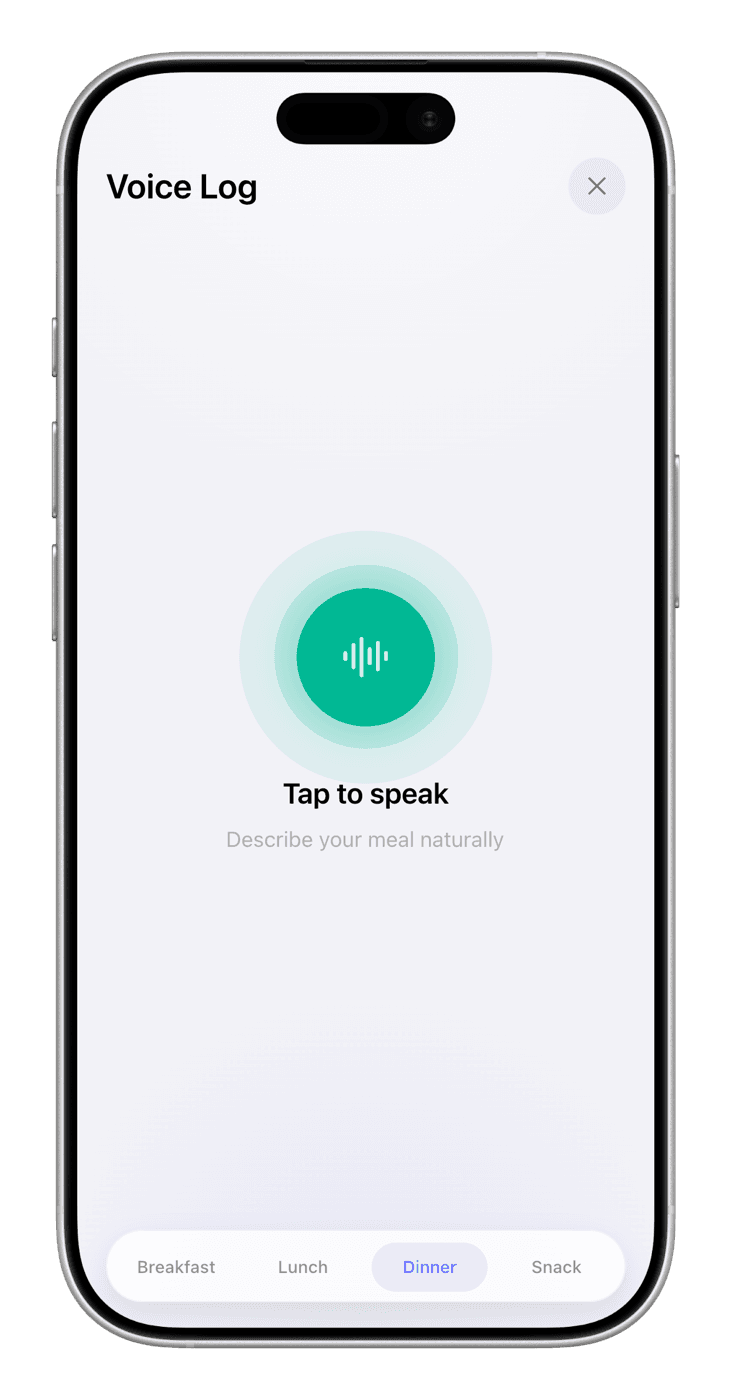
Note: This is why ProteinLog allows you to easily edit the AI's estimation. If the AI misses the olive oil dressing on your salad, you can add it with a quick voice command.
The Consistency Argument: Why AI is Still Better
If the AI isn't 100% perfect, why use it?
Because manual tracking isn't perfect either.
Studies show that humans routinely underestimate their calorie intake by 20% to 40% when logging manually. We forget to log snacks, we guess portion sizes incorrectly, and we use the wrong entries in crowdsourced databases.
More importantly, manual tracking is so tedious that most people quit after two weeks.
The most important factor in nutrition tracking is consistency.
An AI photo calorie counter that is 90% accurate - but is so frictionless that you actually use it for every single meal, 365 days a year - will yield vastly better weight loss results than a manual tracking system that is 99% accurate but causes you to quit out of frustration.
The Verdict
AI photo calorie counters are not a magic wand that can see through solid food. However, they are the most significant leap forward in nutrition tracking in a decade.
By removing the friction of typing, searching, and weighing, apps like ProteinLog make it possible to maintain a consistent calorie deficit without letting a diet take over your life.

Ready to Track Smarter, Not Harder?
AI photo logging, verified nutrition data, Apple Watch logging, and our free macro calculator use the same targets as goal setup.
Download on the App StoreiPhone & Apple Watch · No ads · Cancel anytime